
- Expertise:
- Platform Testing, Cryptocurrency, Retail Investing
- Credentials:
- Active investor since 2013 · 11+ years experience
- Tested:
- 50+ platforms · 200+ guides authored

- Expertise:
- CFD Trading, Forex, Derivatives, Risk Management
- Credentials:
- Chartered ACII (2018) · Trading since 2012
- Tested:
- 40+ forex & CFD platforms with live accounts
How We Test
Real accounts. Real money. Real trades. No demo accounts or press releases.
What we measure:
- Spreads vs advertised rates
- Execution speed and slippage
- Hidden fees (overnight, withdrawal, conversion)
- Actual withdrawal times
Scoring:
Fees (25%) · Platform (20%) · Assets (15%) · Mobile (15%) · Tools (10%) · Support (10%) · Regulation (5%)
Testing team:
Adam Woodhead (investing since 2013), Thomas Drury (Chartered ACII, 2018), Dom Farnell (investing since 2013) — 50+ platforms with funded accounts
Quarterly reviews · Corrections: [email protected]
Disclaimer
Not financial advice. Educational content only. We're not FCA authorised. Consult a qualified advisor before investing.
Capital at risk. Investments can fall. Past performance doesn't guarantee future results.
CFD warning. 67-84% of retail accounts lose money trading CFDs. High risk due to leverage.
Contact: [email protected]
What Are the Best Low-Fee Crypto Exchanges in Canada for 2026?
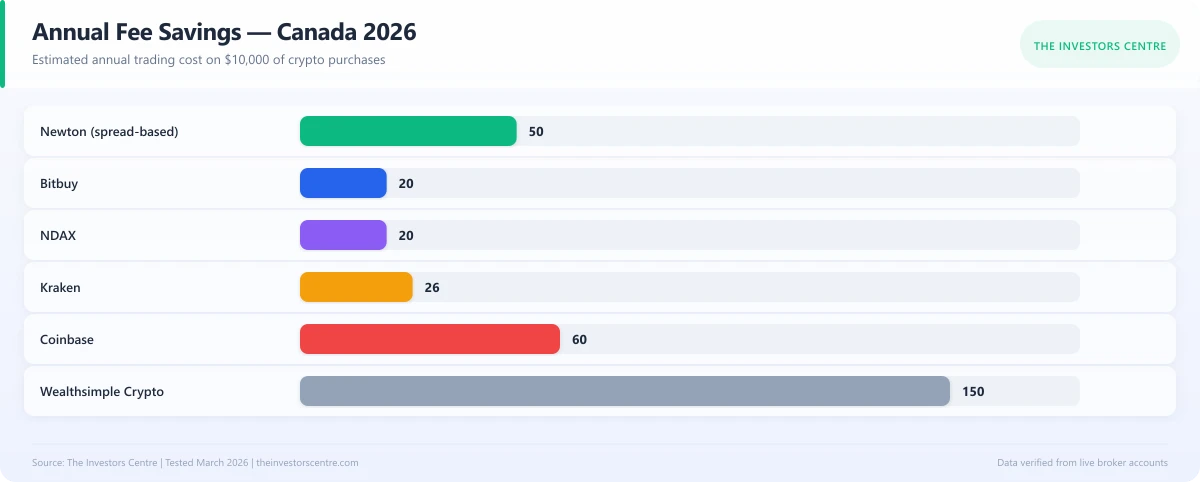
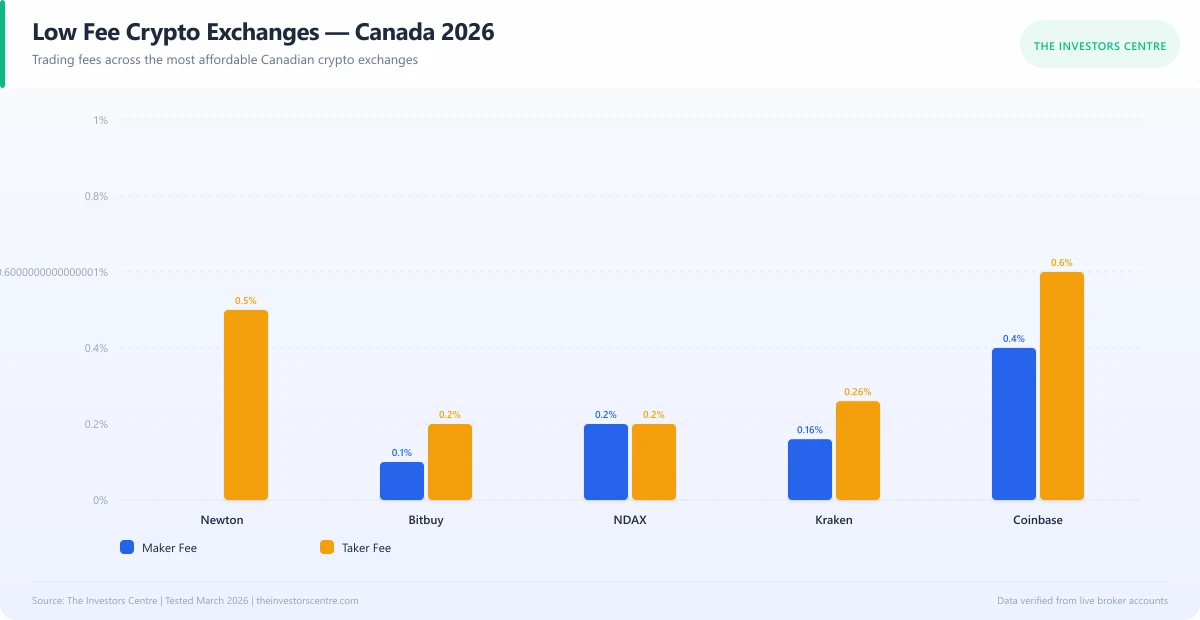
Kraken Pro offers the lowest trading fees for active Canadian traders, with maker/taker fees starting at just 0.16%/0.26% and volume discounts reducing fees to 0% for high-volume users. NDAX provides the simplest low-fee option with a flat 0.2% trading fee on all transactions, regardless of volume. Both exchanges are FINTRAC-registered and CSA-compliant, ensuring full regulatory protection for Canadian investors trading in CAD.
Investing in crypto carries a high level of risk.

Investing in crypto carries a high level of risk.

Investing in crypto carries a high level of risk.

Investing in crypto carries a high level of risk.

Investing in crypto carries a high level of risk.

Investing in crypto carries a high level of risk.

Investing in crypto carries a high level of risk.
How Do Canada's Low-Fee Crypto Exchanges Compare?
Finding the cheapest crypto exchange in Canada requires looking beyond advertised trading fees. Some platforms charge explicit maker/taker fees, while others embed costs in wider spreads. The comparison table below shows the true cost structure for each exchange, helping you identify where your money goes when buying and selling cryptocurrency with Canadian dollars.
| Rank | Exchange | Trading Fee | Spread | Cryptos | TIC Rating |
|---|---|---|---|---|---|
| 1 | Kraken Pro | 0.16%/0.26% | Low | 390+ | 4.8/5 |
| 2 | NDAX | 0.2% flat | 0.2% | 65+ | 4.7/5 |
| 3 | Newton | 0% | 0.5%-2% | 70+ | 4.5/5 |
| 4 | Bitbuy | 0% | 0.5%-1.85% | 60+ | 4.4/5 |
| 5 | Coinbase Advanced | 0.40%/0.60% | Low | 250+ | 4.3/5 |
| 6 | Crypto.com | 0.25%/0.50% | Variable | 400+ | 4.2/5 |
| 7 | VirgoCX | 0% | 0.5%-1.6% | 90+ | 4.1/5 |
Here Are The Top 7 Best Low-Fee Crypto Exchanges in Canada:
1. Kraken Pro — Best Overall for Low Fees
2. NDAX — Best Flat-Fee Exchange
3. Newton — Best for Zero Trading Commissions
4. Bitbuy — Best for Canadian Beginners
5. Coinbase Advanced — Best for Global Liquidity
6. Crypto.com — Best for Rewards & Cashback
7. VirgoCX — Best for Free Crypto Withdrawals
Kraken Pro — Best Overall for Low Fees
Best Overall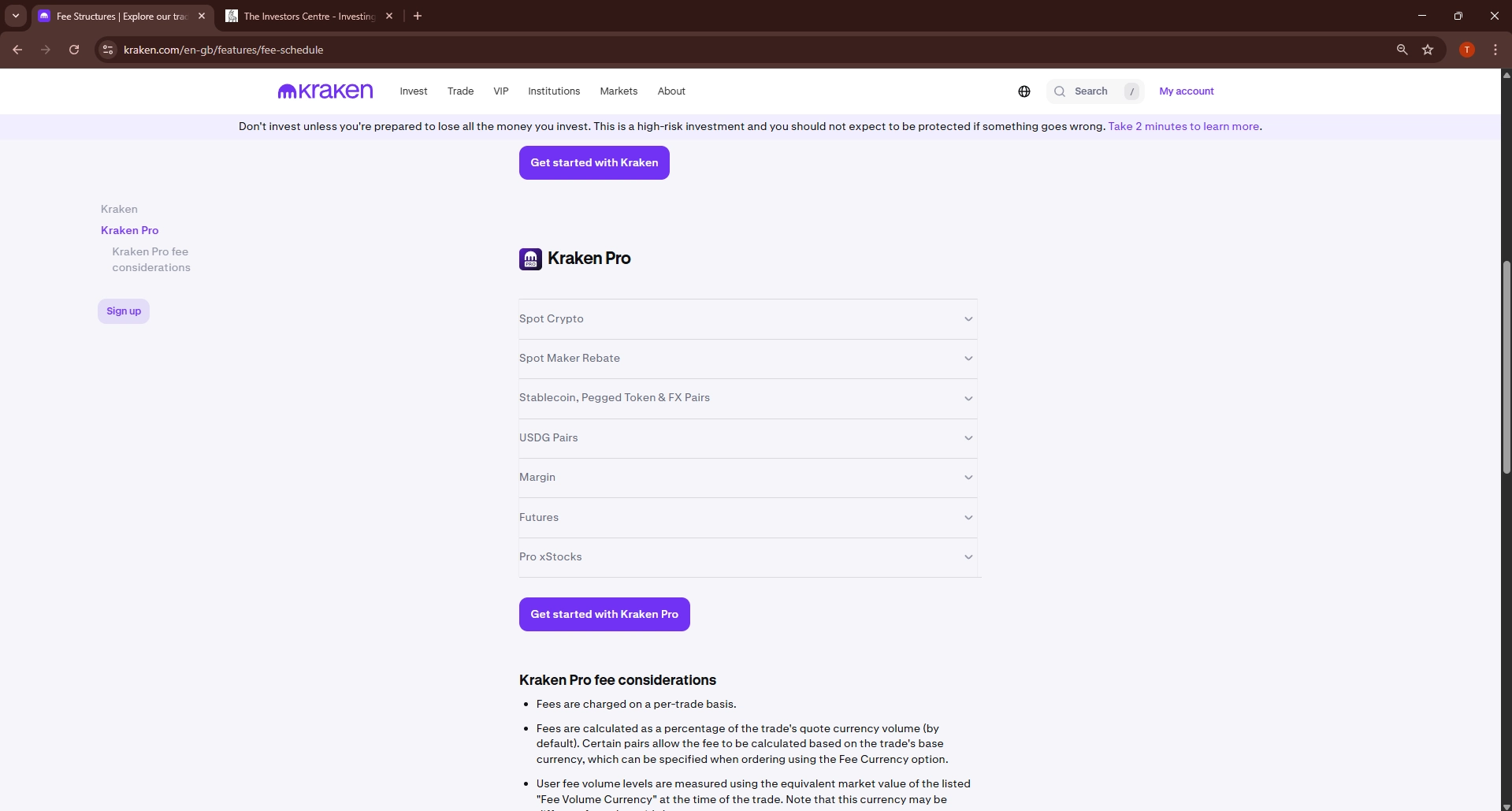
Pros
- Lowest maker/taker fees in Canada (0.16%/0.26%)
- Volume discounts reduce fees to 0% for high traders
- 390+ cryptocurrencies available
- Free CAD deposits via Interac e-Transfer
- Never been hacked -- Forbes #1 for security (2025)
Cons
- Advanced interface intimidates complete beginners
- $1.50 fee for CAD withdrawals under $20,000
- Customer support can be slow during peak times
What Are the Trading Fees?
Kraken Pro uses a maker/taker fee structure starting at 0.16% for maker orders and 0.26% for taker orders. These are the lowest standard rates among FINTRAC-registered Canadian exchanges, significantly undercutting competitors charging 0.4%-1% or more.
Volume-based discounts reduce fees further as your 30-day trading volume increases. At $50,000 CAD monthly volume, maker fees drop to 0.14%, and taker fees to 0.24%. The highest tier (over $10 million monthly) offers 0% maker fees and 0.10% taker fees, making Kraken competitive even with international exchanges.
How Many Cryptocurrencies Can You Trade?
Kraken supports over 390 cryptocurrencies, including all major assets like Bitcoin, Ethereum, and Cardano, plus hundreds of altcoins and emerging tokens. This selection exceeds most Canadian competitors, with only Crypto.com offering comparable variety.
Recent additions include meme coins like Dogwifhat (WIF) and Bonk (BONK), alongside serious DeFi projects. Kraken also offers staking for 20+ proof-of-stake cryptocurrencies directly through the platform, with competitive annual percentage yields and no lockup periods on most assets.
Is It Safe and Secure?
Kraken maintains an unblemished security record since launching in 2011, with zero successful hacks or breaches. The exchange stores 95% of client funds in air-gapped cold storage across geographically distributed locations, minimising online attack surface.
Forbes ranked Kraken as the world's most secure cryptocurrency exchange in 2025 based on security infrastructure, regulatory compliance, and track record. Two-factor authentication is mandatory for all accounts, with additional security features including withdrawal whitelisting, master keys, and global settings lock available to users seeking maximum protection.
Who Is It Best For?
Kraken Pro suits active traders and experienced crypto investors who understand maker/taker mechanics and want to minimise fees through limit orders. The advanced interface rewards users who invest time learning the platform, with sophisticated order types and comprehensive charting tools.
Canadian traders accumulating cryptocurrency regularly benefit most from Kraken's fee structure. Free CAD deposits and minimal trading costs compound over time, easily saving hundreds or thousands of dollars annually compared to spread-based competitors. However, complete beginners may initially struggle with the interface complexity and should consider starting with Kraken's simplified interface before graduating to Pro.
NDAX — Best Flat-Fee Exchange
Best Flat Fee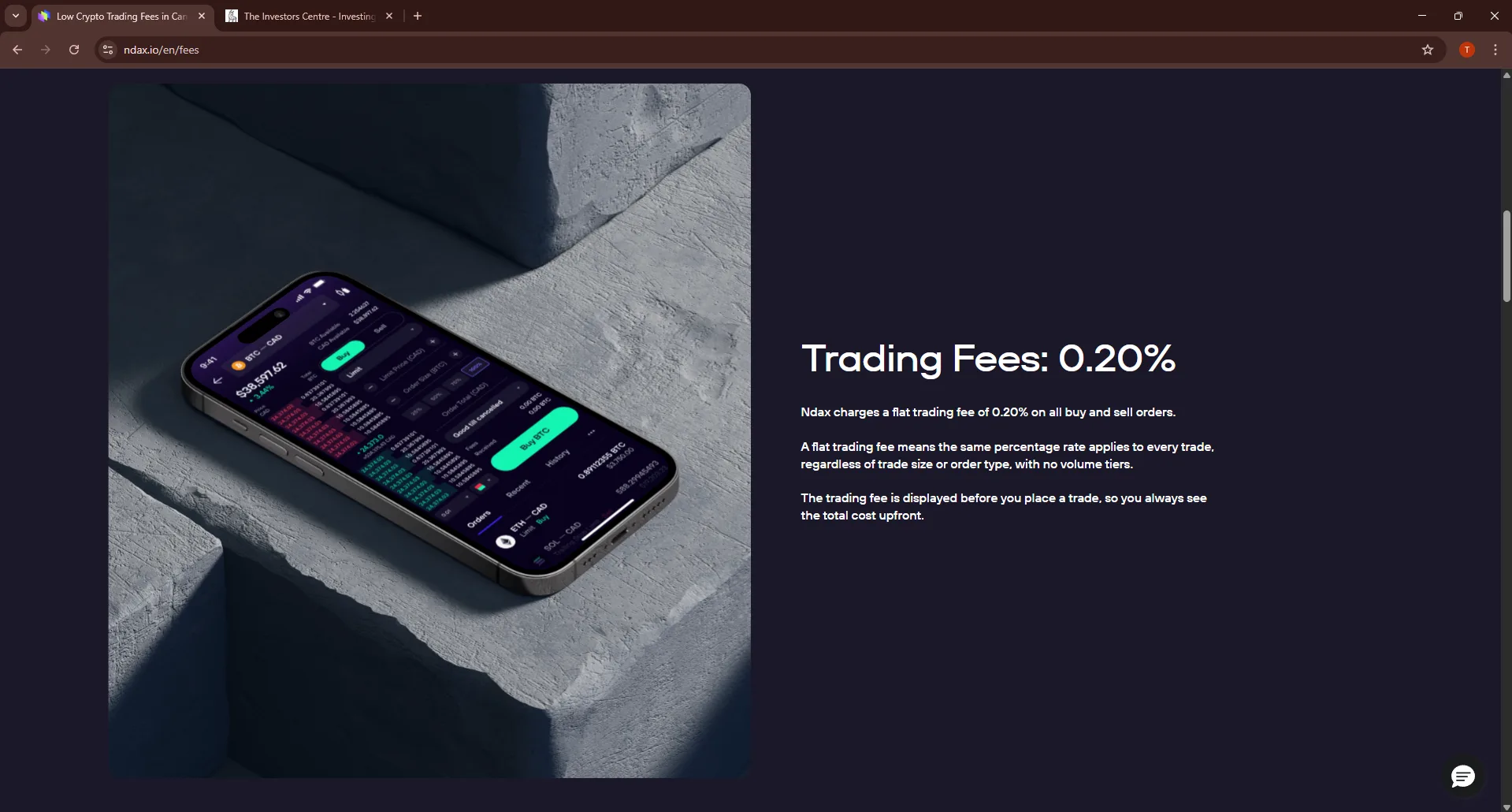
Pros
- Simple 0.2% flat trading fee (no maker/taker confusion)
- Free CAD deposits via Interac e-Transfer and EFT
- True Canadian company with domestic customer support
- Lower fees than international platforms for casual traders
- Clean interface suitable for beginners
Cons
- Limited to 65 cryptocurrencies vs 300+ on competitors
- $1.50 fee for Interac e-Transfer withdrawals
- No volume discounts for high-frequency traders
What Does NDAX Charge for Trading?
NDAX's 0.2% flat trading fee applies universally – market orders, limit orders, and all transaction sizes pay the same rate. This simplicity appeals to traders who find maker/taker structures confusing or don't want to optimise order types to minimise costs.
While lacking volume discounts, NDAX's flat fee remains competitive. The 0.2% charge beats Newton's typical 0.5%-1% spreads on most assets and significantly undercuts Bitbuy's 0.5%-1.85% pricing. Active traders exceeding $50,000 monthly volume will save money on Kraken's tiered system, but occasional buyers trading $1,000-$10,000 monthly often prefer NDAX's predictable costs.
How Many Coins Can You Buy?
NDAX supports 65+ cryptocurrencies, covering all major assets plus popular altcoins like Polygon, Chainlink, and VeChain. The selection emphasises established projects rather than speculative meme coins, reflecting NDAX's conservative, Canadian-focused approach.
Notable inclusions include Stellar (XLM), Algorand (ALGO), and Tezos (XTZ) – assets sometimes absent from competitors. However, traders seeking the newest low-cap tokens or trending meme coins will find better selection on Kraken (390+) or Crypto.com (400+). NDAX adds new assets periodically but prioritises stability over breadth.
How Safe Is NDAX?
NDAX holds full FINTRAC registration as a Money Services Business and CSA registration as a restricted dealer, meeting all Canadian regulatory requirements. The platform stores 95% of client cryptocurrency in cold storage with multi-signature security, matching industry best practices.
As a domestic Canadian company, NDAX operates under Alberta Securities Commission oversight and maintains insurance coverage for hot wallet holdings. Client funds are held in segregated accounts with Canadian financial institutions, providing additional protection compared to international exchanges holding CAD offshore.
Who Should Use NDAX?
NDAX suits Canadian investors preferring simplicity and predictability over absolute minimum costs. The flat 0.2% fee structure requires no strategy optimisation – every trade costs the same whether you buy or sell, use market or limit orders, or trade $100 or $100,000.
Casual investors trading a few times monthly particularly benefit, as NDAX's transparent pricing beats spread-based competitors without requiring high volumes to access competitive rates. The focus on established cryptocurrencies also appeals to conservative investors avoiding speculative altcoins.
Newton — Best for Zero Trading Commissions
Zero Commission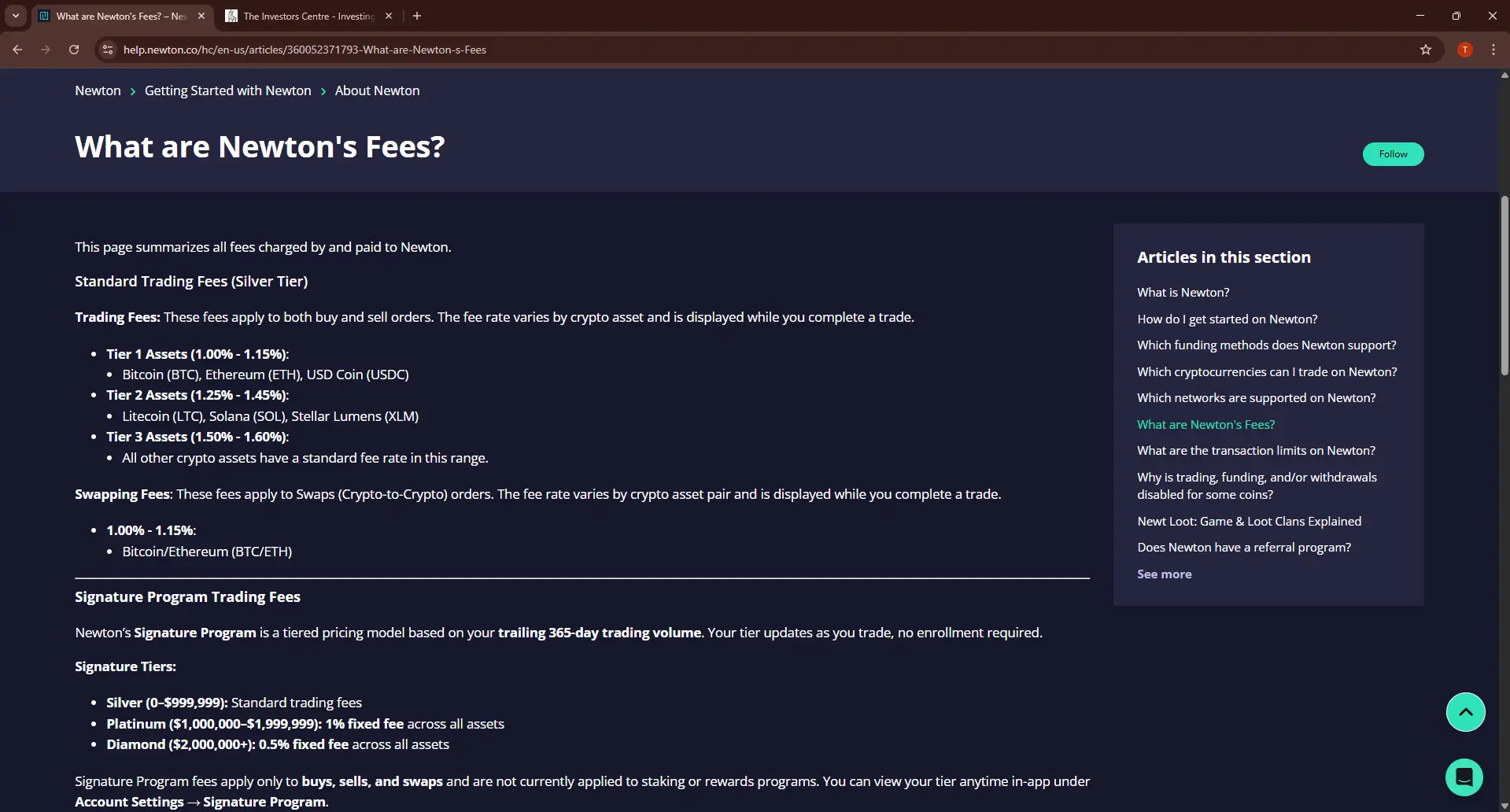
Pros
- Zero explicit trading commissions (spread-based)
- Free CAD deposits and withdrawals (Interac e-Transfer)
- Up to $5 free crypto withdrawal fees monthly
- Simple interface ideal for beginners
- 70+ cryptocurrencies including DeFi tokens
Cons
- Spreads reach 2% on less liquid altcoins
- Higher effective costs than explicit fee exchanges
- Limited advanced trading features
How Much Do You Really Pay with Newton?
Newton advertises "zero fees," but costs are embedded in the spread between buy and sell prices. For major cryptocurrencies like Bitcoin and Ethereum, spreads typically range from 0.5% to 0.8%, competitive with explicit fee exchanges. Less liquid altcoins can see spreads of 1.5% to 2%, making them more expensive than alternatives.
The key advantage is simplicity – the displayed price is the price you pay, with no separate fee calculation. However, active traders buying and selling frequently will often pay more on Newton than using Kraken's 0.16%/0.26% maker/taker structure or NDAX's flat 0.2% fee.
What Cryptocurrencies Are Available?
Newton supports 70+ cryptocurrencies, balancing variety with quality curation. The selection includes major assets plus popular DeFi tokens like Uniswap (UNI), Aave (AAVE), and Compound (COMP) – assets sometimes absent from Canadian competitors.
Recent additions include Arbitrum (ARB) and Optimism (OP), reflecting Newton's responsiveness to emerging layer-2 networks. However, meme coins and highly speculative tokens are largely absent, consistent with Newton's positioning as a beginner-friendly platform avoiding the riskiest assets.
Is Newton Safe and Regulated?
Newton holds full FINTRAC registration and CSA compliance through restricted dealer status, meeting all Canadian regulatory requirements. The platform stores the majority of cryptocurrency in cold storage with BitGo custody solutions, and insures hot wallet holdings against theft and hacking.
Client CAD is held in segregated accounts at Canadian Schedule I banks, providing protection if Newton faces financial difficulties. Two-factor authentication is mandatory, and Newton underwent successful security audits from Kudelski Security in 2024, finding no critical vulnerabilities.
Who Benefits Most from Newton?
Newton suits Canadian beginners prioritising simplicity over absolute minimum costs. The zero-commission model eliminates fee calculation anxiety, while free CAD deposits and withdrawals make it easy to move money in and out without planning around fee schedules.
Investors who buy and hold rather than actively trade appreciate Newton's straightforward approach – purchase cryptocurrency, move it to a hardware wallet (using the monthly $5 free withdrawal credit), and avoid ongoing fee management. The user-friendly mobile app also appeals to smartphone-first users who find desktop trading platforms intimidating.
Bitbuy — Best for Canadian Beginners
Best for Beginners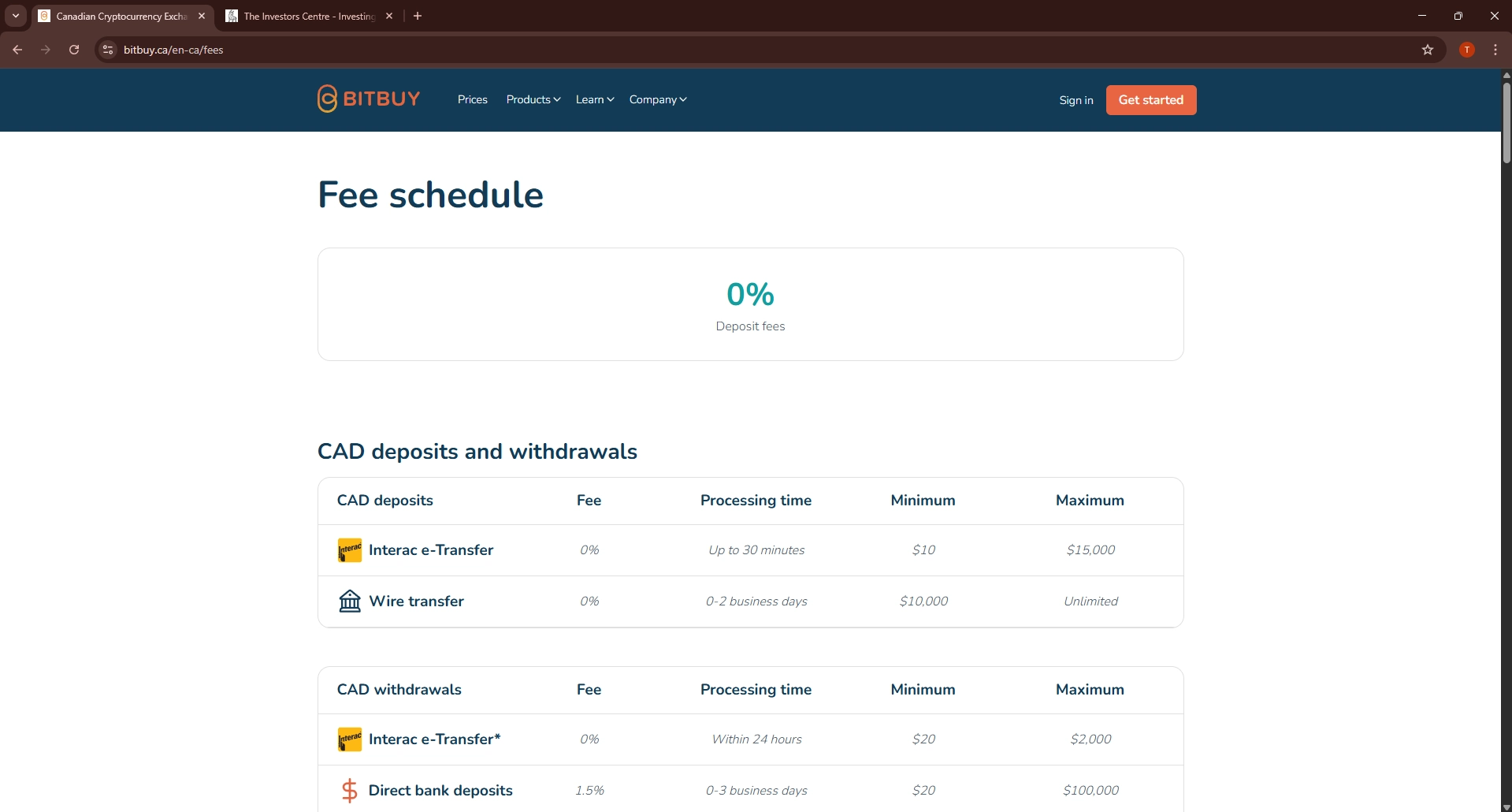
Pros
- Extremely beginner-friendly Express Trade interface
- First Canadian exchange (launched 2016)
- Bitbuy Pro offers lower fees for larger trades
- Educational resources and customer support
- Owned by WonderFi (First Ledger, CoinSmart)
Cons
- 1.5% fee on CAD withdrawals (highest in Canada)
- Express Trade spreads reach 1.85% on some assets
- Only 60 cryptocurrencies available
How Does Bitbuy's Pricing Work?
Bitbuy operates two interfaces with different fee structures. Express Trade, designed for beginners, embeds spreads of 0.75% to 1.85% depending on cryptocurrency and trade size. Larger purchases receive tighter spreads, making Express Trade viable for significant investments.
Bitbuy Pro offers an order book with 0.1% to 0.2% fees for traders comfortable with limit orders and market depth analysis. However, Pro's lower fees only benefit users who understand advanced trading – most Bitbuy users stick with Express Trade's simplicity despite higher costs. The 1.5% CAD withdrawal fee is Bitbuy's most significant drawback, costing $150 on a $10,000 cashout.
What Coins Can You Trade?
Bitbuy supports 60+ cryptocurrencies, focusing on established projects rather than speculative tokens. The selection covers all major assets plus mid-cap altcoins like Polygon, Avalanche, and Polkadot, sufficient for most Canadian investors' needs.
As Canada's oldest exchange, Bitbuy maintains conservative listing standards, avoiding the newest meme coins and highly speculative DeFi tokens. This approach reduces choice but protects beginners from the riskiest assets. Traders seeking extensive altcoin selection will prefer Kraken or Crypto.com's broader offerings.
How Secure Is Bitbuy?
Bitbuy maintains full FINTRAC and CSA registration and operates under Ontario Securities Commission oversight. The platform stores 95% of cryptocurrency in cold storage with Knox custody solutions, and insures hot wallet holdings against theft and breaches.
As part of WonderFi Technologies, a publicly traded Canadian company (NEO: WNDR), Bitbuy benefits from corporate governance standards and regulatory scrutiny exceeding private competitors. Client CAD is held in segregated trust accounts at major Canadian banks, providing protection if Bitbuy faces financial difficulties.
Who Is Bitbuy Designed For?
Bitbuy suits complete cryptocurrency beginners prioritising ease of use over minimum costs. Express Trade's one-click buying experience removes all complexity, making it ideal for first-time purchasers who might otherwise feel overwhelmed by order books and fee calculations.
The platform also appeals to Canadians who value domestic ownership and support, as Bitbuy operates entirely within Canada under Canadian regulatory oversight. However, cost-conscious traders who plan to withdraw funds regularly should factor in the 1.5% withdrawal fee, which quickly erodes savings from Express Trade's competitive spreads.
Coinbase Advanced — Best for Global Liquidity
Best Liquidity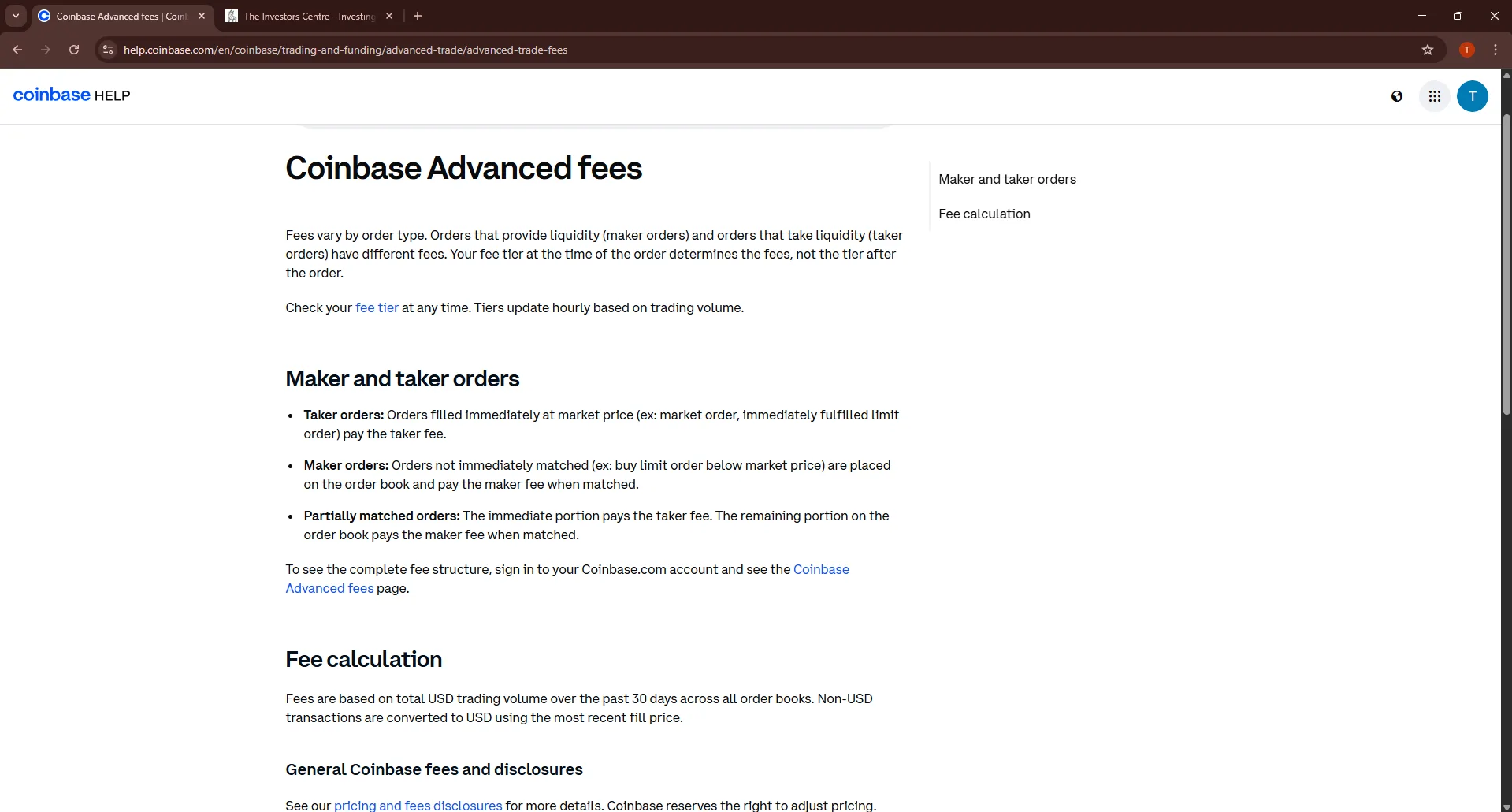
Pros
- Highest liquidity globally for instant execution
- 250+ cryptocurrencies with fast new listings
- NASDAQ-listed (COIN) with strong financials
- Advanced features available free to all users
- Volume discounts reduce fees to 0.05%/0.15%
Cons
- Higher fees than Canadian-focused competitors
- Not ASIC licensed (FINTRAC registered only)
- Regular Coinbase charges 3.99% for beginners
What Do Coinbase Advanced Fees Cost?
Coinbase Advanced charges 0.40% maker fees and 0.60% taker fees, double Kraken Pro's rates but significantly cheaper than regular Coinbase's 1.49% to 3.99% pricing. Volume-based discounts reduce fees progressively, with the highest tier (over $500 million monthly) offering 0.05% maker and 0.15% taker fees.
For Canadian investors, Coinbase Advanced sits in the middle of the fee spectrum – more expensive than Kraken or NDAX, but offering superior order execution that justifies the premium for traders prioritising immediate fills on large orders. Casual investors trading under $10,000 monthly save more using Canadian-focused competitors.
How Many Assets Can You Trade?
Coinbase supports 250+ cryptocurrencies, more than most Canadian exchanges but fewer than Kraken or Crypto.com. The selection emphasises quality over quantity, with rigorous listing standards that exclude many speculative tokens while quickly adding promising projects.
Coinbase's asset approval process is faster than Canadian competitors, often listing new tokens within days of major developments. This speed appeals to traders wanting early access to trending cryptocurrencies, though it also means higher volatility and risk on newly listed assets.
Is Coinbase Safe for Canadians?
Coinbase holds FINTRAC registration for Canadian operations but is not CSA-registered or provincially licensed, operating through a more limited regulatory framework than domestic competitors. However, as a NASDAQ-listed company (COIN), Coinbase undergoes extensive SEC scrutiny and quarterly public financial reporting.
The platform stores 98% of cryptocurrency in cold storage with geographically distributed backup systems, and maintains comprehensive insurance coverage for hot wallet holdings. Coinbase's institutional-grade security infrastructure and publicly traded status provide strong protections despite lighter Canadian-specific regulation.
Who Should Choose Coinbase Advanced?
Coinbase Advanced suits Canadian traders who value execution reliability and global liquidity over absolute minimum fees. Large orders fill instantly at predictable prices, avoiding the slippage common on smaller Canadian exchanges when trading significant amounts.
The platform also appeals to cryptocurrency enthusiasts wanting early access to new tokens, as Coinbase's listing process moves faster than Canadian competitors constrained by additional provincial requirements. However, casual investors trading small amounts monthly will save money using Kraken, NDAX, or Newton's lower fee structures.
Crypto.com — Best for Rewards & Cashback
Best Rewards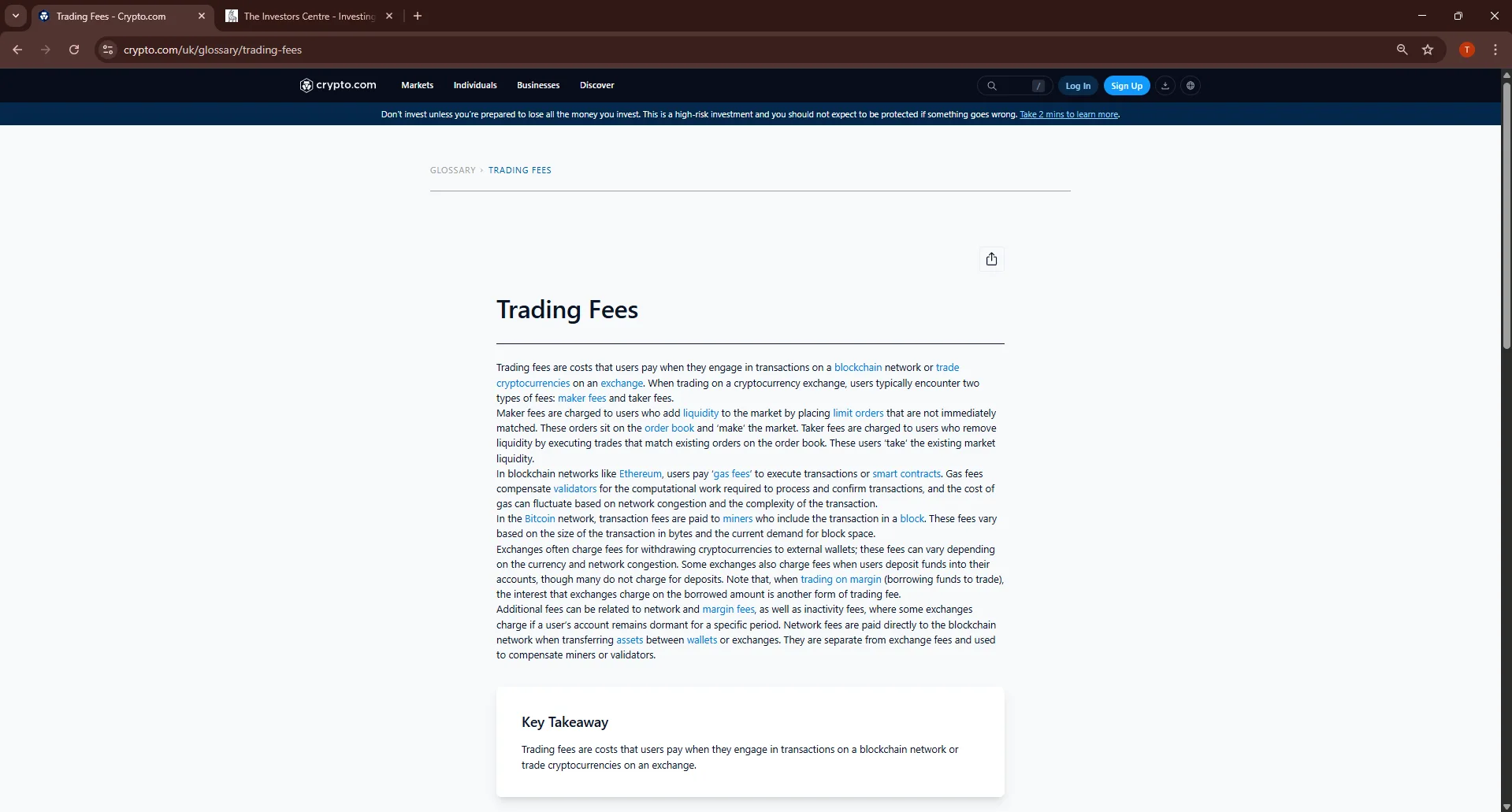
Pros
- Comprehensive rewards programme with cashback
- 400+ cryptocurrencies (highest in Canada)
- Crypto.com Visa cards with spending perks
- Competitive maker/taker fees (0.25%/0.50%)
- Staking, DeFi, and NFT marketplace integrated
Cons
- Requires staking CRO tokens for best rewards
- Complex platform with steep learning curve
- Variable spreads on app vs exchange pricing
What Are the Trading Fees and Rewards?
Crypto.com Exchange charges 0.25% maker fees and 0.50% taker fees at baseline, competitive but not market-leading. However, staking the platform's CRO token reduces fees progressively, with the highest tier offering 0% maker fees and 0.04% taker fees – beating even Kraken for users holding significant CRO.
The mobile app uses spread-based pricing averaging 0.4% to 1%, convenient but more expensive than exchange fees. Crypto.com's credit card programme offers up to 5% cashback on spending when staking large CRO amounts, potentially offsetting trading costs for committed users who integrate cryptocurrency into daily spending.
How Many Cryptocurrencies Are Available?
Crypto.com supports over 400 cryptocurrencies, the most extensive selection available to Canadians. This breadth includes major assets, DeFi protocols, layer-2 networks, and speculative tokens absent from conservative Canadian exchanges.
The platform's rapid listing process means new tokens appear soon after launch, appealing to early adopters and traders capitalising on short-term volatility. However, this aggressive approach also increases risk, as many newly listed tokens prove valueless long-term. Conservative investors may prefer NDAX or Bitbuy's curated selections.
Is Crypto.com Safe and Regulated?
Crypto.com holds FINTRAC registration and operates under multiple international regulatory licences, though it lacks CSA registration or provincial licensing in Canada. The platform stores cryptocurrency in cold storage with BitGo custody, and maintains insurance coverage for digital assets.
As a global exchange serving 80+ million users, Crypto.com undergoes regular third-party security audits and implements industry-standard protections including two-factor authentication and withdrawal whitelisting. However, the lighter Canadian regulatory framework means less domestic oversight compared to CSA-registered competitors.
Who Benefits Most from Crypto.com?
Crypto.com suits Canadian cryptocurrency enthusiasts committed to platform integration beyond basic trading. The rewards programme, credit cards, staking options, DeFi portal, and NFT marketplace create an ecosystem where committed users can significantly reduce costs through CRO staking and cashback.
Casual traders seeking simple cryptocurrency purchases without platform commitment will find better value on Kraken, NDAX, or Newton. However, users planning substantial cryptocurrency involvement and willing to stake CRO tokens can access competitive or superior pricing while earning rewards on spending and holdings.
VirgoCX — Best for Free Crypto Withdrawals
Free Withdrawals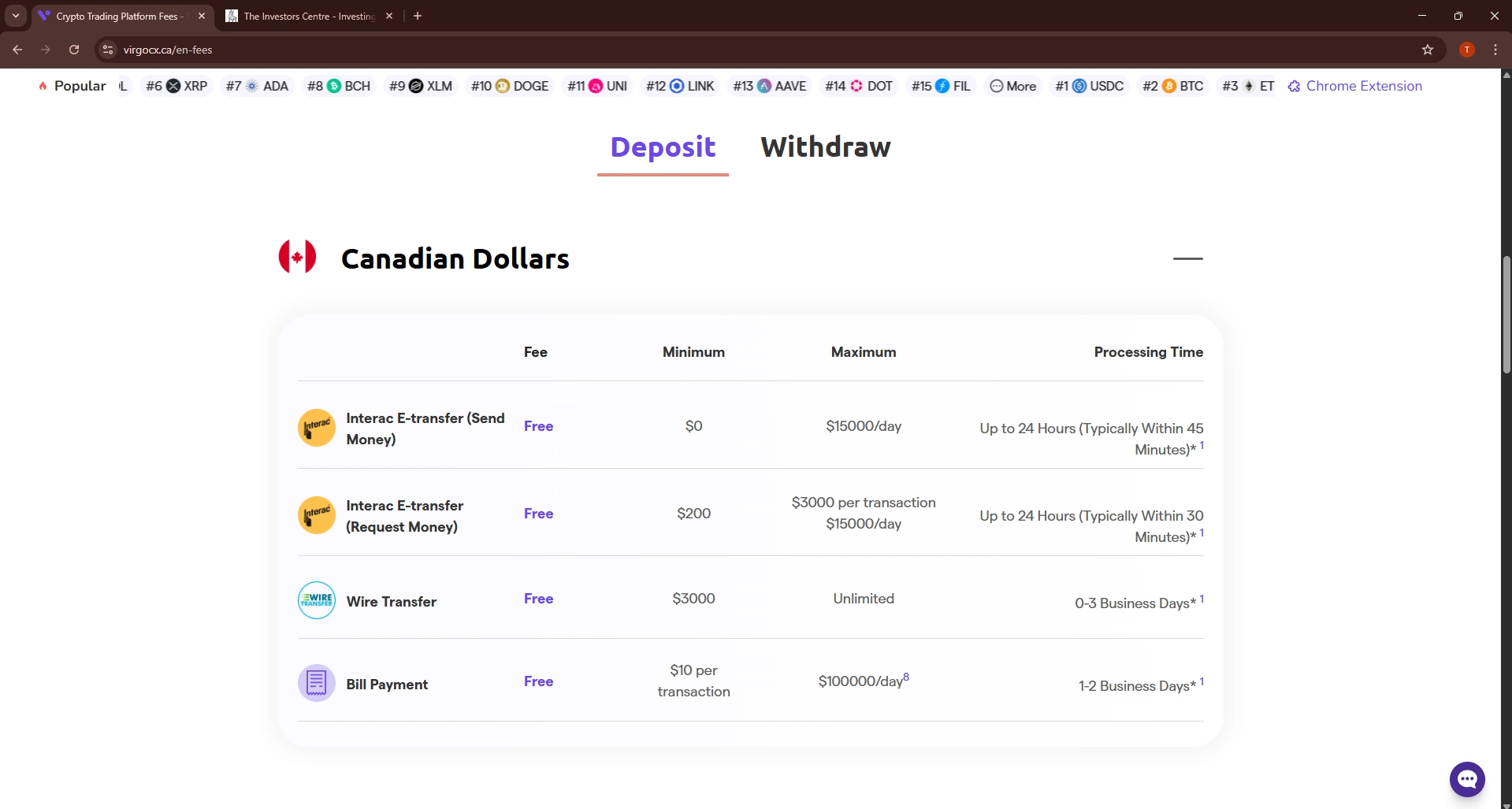
Pros
- Free Bitcoin and Ethereum withdrawals
- Non-custodial model -- you control private keys
- Free CAD withdrawals via Interac e-Transfer
- 90+ cryptocurrencies including new tokens
- Competitive spreads on major assets
Cons
- Non-custodial model requires wallet management skills
- Spreads widen to 1.6% on less liquid altcoins
- Smaller user base means lower liquidity
What Are VirgoCX's Trading Costs?
VirgoCX uses spread-based pricing averaging 0.5% to 1% on major cryptocurrencies like Bitcoin and Ethereum, competitive with Newton and cheaper than Bitbuy. Less liquid altcoins see spreads widening to 1.6%, making VirgoCX less cost-effective for trading smaller-cap tokens.
The platform's standout feature is free Bitcoin and Ethereum withdrawals, eliminating network fees that typically cost $2-$15 per transaction on competitors. This benefit compounds for traders regularly moving cryptocurrency to hardware wallets or other exchanges, easily saving hundreds of dollars annually for self-custody enthusiasts.
How Many Cryptos Can You Trade?
VirgoCX supports 90+ cryptocurrencies, including all major assets and popular altcoins. Recent additions include meme coins like TRUMP and PEPE, expanding options for speculative traders.
Notable absences include Tether (USDT) and Binance Coin (BNB), similar to other Canadian exchanges facing regulatory restrictions on certain tokens. The selection covers most assets Canadian traders typically seek.
Is VirgoCX Safe?
VirgoCX maintains FINTRAC registration and operates under CSA compliance as a restricted dealer. The platform's non-custodial structure means users control their private keys, reducing counterparty risk compared to traditional custodial exchanges.
This model provides security benefits – VirgoCX cannot lose or freeze your cryptocurrency – but requires users to understand wallet management and backup procedures. Lost private keys mean permanently lost funds with no recovery mechanism, making VirgoCX less suitable for beginners unfamiliar with self-custody.
Who Is It Best For?
VirgoCX suits Canadians who prioritise self-custody and want to minimise withdrawal costs when moving crypto to hardware wallets. Free Bitcoin and Ethereum withdrawals provide significant savings for those regularly transferring assets off-exchange.
The non-custodial model requires comfort with wallet management, making VirgoCX less suitable for complete beginners. However, experienced users who already maintain their own wallets appreciate the cost savings and control this structure provides.
What Types of Fees Do Canadian Crypto Exchanges Charge?
Understanding the full cost of trading cryptocurrency in Canada requires looking beyond headline fee rates. Exchanges generate revenue through multiple channels, and the cheapest option depends on your specific trading patterns and withdrawal frequency.
What Are Trading Fees vs Spreads?
Trading fees are explicit percentage charges applied to each transaction, typically structured as maker/taker fees. Maker orders add liquidity to the order book and carry lower fees, while taker orders remove liquidity and cost more. Kraken Pro exemplifies this model with 0.16% maker and 0.26% taker fees.
Spreads represent the difference between buy and sell prices, with exchanges profiting from this gap rather than charging direct fees. Newton and Bitbuy use this model, advertising "zero fees" while incorporating costs into quoted prices. A 1% spread means you pay approximately 0.5% more than market price when buying and receive 0.5% less when selling.
Why Do Withdrawal Fees Matter?
Withdrawal fees significantly impact total costs for traders who regularly move funds. CAD withdrawal fees range from free (Newton, VirgoCX) to 1.5% (Bitbuy), creating substantial differences over time. A trader withdrawing $10,000 pays nothing on Newton but $150 on Bitbuy.
Cryptocurrency withdrawal fees vary by network and exchange policy. Some platforms charge flat fees covering network costs, while others add markup. VirgoCX's free crypto withdrawals provide meaningful savings for users transferring to hardware wallets or other exchanges.
How Can You Reduce Crypto Trading Fees in Canada?
Strategic platform selection and trading behaviour can significantly reduce cryptocurrency costs. The difference between expensive and optimised trading easily exceeds 2% per transaction, compounding substantially for active traders.
Does Trading Volume Affect Your Fees?
Most exchanges offer volume-based fee discounts, rewarding consistent trading activity with lower rates. Kraken Pro reduces fees from 0.26% to 0.10% taker as 30-day volume increases, while Crypto.com offers similar tiered structures.
Reaching meaningful discount tiers requires substantial volume that most retail traders won't achieve. However, consolidating activity on a single platform rather than splitting across multiple exchanges helps accumulate volume faster and access better rates sooner.
Should You Use Maker or Taker Orders?
Maker orders consistently cost less than taker orders on fee-based exchanges. Placing limit orders below the current price (for buys) or above it (for sells) adds liquidity and qualifies for maker rates. This simple change reduces Kraken fees from 0.26% to 0.16% per trade.
Maker orders require patience, as your order only fills when the market moves to your price. For time-sensitive trades, paying the taker premium may be worthwhile, but routine purchases benefit from the discipline of limit orders.
How Are Crypto Exchanges Regulated in Canada?
Canada maintains one of the world's most comprehensive cryptocurrency regulatory frameworks, providing meaningful protections for traders using compliant platforms. All seven exchanges in this guide meet federal and provincial requirements.
What Is FINTRAC Registration?
The Financial Transactions and Reports Analysis Centre of Canada (FINTRAC) requires all cryptocurrency exchanges to register as Money Services Businesses (MSBs). This registration mandates Know Your Customer (KYC) verification, anti-money laundering (AML) programmes, and suspicious transaction reporting.
FINTRAC registration confirms an exchange operates legally in Canada and follows financial crime prevention protocols. Unregistered platforms operating in Canada violate federal law and provide no regulatory recourse if problems occur.
How Does CSA Oversight Protect Investors?
The Canadian Securities Administrators (CSA) requires crypto trading platforms to register as restricted dealers or obtain securities licenses. This 2021 requirement imposes obligations including client asset segregation, insurance requirements, and operational standards.
CSA-registered platforms must hold client funds separately from company assets, protecting users if the exchange faces financial difficulties. Provincial regulators like the Ontario Securities Commission (OSC) enforce these requirements, with some provinces imposing additional restrictions on available assets or features.
Do You Need to Pay Tax on Crypto in Canada?
The Canada Revenue Agency (CRA) treats cryptocurrency as a commodity, creating tax obligations when you sell, trade, or spend crypto assets. Understanding these rules helps avoid surprises at tax time and enables strategic planning to minimise liability.
What Is the Capital Gains Tax Rate?
Canada applies a 50% inclusion rate on cryptocurrency capital gains, meaning half of your profit is added to taxable income. If you buy Bitcoin for $10,000 and sell for $15,000, only $2,500 (50% of the $5,000 gain) is taxable at your marginal rate.
This treatment applies to selling crypto for CAD, trading one cryptocurrency for another, and using crypto to purchase goods or services. Simply holding cryptocurrency or transferring between your own wallets does not trigger tax events. Losses can offset gains, making accurate record-keeping essential for optimising your tax position.
Final Thoughts
Kraken Pro offers the lowest explicit trading fees for Canadian cryptocurrency investors, with maker rates starting at just 0.16% and volume discounts reducing costs further. Active traders who can use limit orders and accumulate volume will find Kraken's fee structure unmatched among fully regulated Canadian exchanges.
NDAX provides the simplest option for Canadians prioritising predictable costs, with its flat 0.2% fee eliminating confusion about maker/taker distinctions or variable spreads. Combined with free deposits and cheap Interac withdrawals, NDAX delivers excellent value for occasional traders who want straightforward pricing.
For those preferring spread-based models, Newton offers the most competitive rates on major assets while covering up to $5 in crypto withdrawal fees. VirgoCX's free cryptocurrency withdrawals make it ideal for users regularly moving assets to self-custody, despite slightly higher spreads on some tokens.
All seven exchanges reviewed hold FINTRAC registration and CSA compliance, ensuring Canadian investors receive meaningful regulatory protections regardless of which platform they choose. The best low-fee exchange ultimately depends on your trading frequency, preferred assets, and whether you prioritise explicit fee transparency or the convenience of spread-based pricing.
FAQs
Sources
- Financial Transactions and Reports Analysis Centre of Canada. "Money Services Business Registration." 2026. fintrac-canafe.gc.ca
- Canadian Securities Administrators. "Crypto Trading Platforms Regulation." 2026. securities-administrators.ca
- Ontario Securities Commission. "Registered Crypto Asset Trading Platforms." 2026. osc.ca
- Canada Revenue Agency. "Guide for Cryptocurrency Users and Tax Professionals." 2026. canada.ca
- Kraken. "Fee Schedule – Canada." 2026. kraken.com
- NDAX. "Low Crypto Trading Fees in Canada." 2026. ndax.io
- Newton. "Fees and Pricing." 2026. newton.co
- Bitbuy. "Fee Schedule." 2026. bitbuy.ca
- Coinbase. "Coinbase Canada." 2026. coinbase.com
- Crypto.com. "Fees and Limits." 2026. crypto.com
- VirgoCX. "Crypto Trading Platform Fees." 2026. virgocx.ca