
- Expertise:
- CFD Trading, Forex, Derivatives, Risk Management
- Credentials:
- Chartered ACII (2018) · Trading since 2012
- Tested:
- 40+ forex & CFD platforms with live accounts

- Expertise:
- Platform Testing, Cryptocurrency, Retail Investing
- Credentials:
- Active investor since 2013 · 11+ years experience
- Tested:
- 50+ platforms · 200+ guides authored
How We Test
Real accounts. Real money. Real trades. No demo accounts or press releases.
What we measure:
- Spreads vs advertised rates
- Execution speed and slippage
- Hidden fees (overnight, withdrawal, conversion)
- Actual withdrawal times
Scoring:
Fees (25%) · Platform (20%) · Assets (15%) · Mobile (15%) · Tools (10%) · Support (10%) · Regulation (5%)
Testing team:
Adam Woodhead (investing since 2013), Thomas Drury (Chartered ACII, 2018), Dom Farnell (investing since 2013) — 50+ platforms with funded accounts
Quarterly reviews · Corrections: [email protected]
Disclaimer
Not financial advice. Educational content only. We're not FCA authorised. Consult a qualified advisor before investing.
Capital at risk. Investments can fall. Past performance doesn't guarantee future results.
CFD warning. 67-84% of retail accounts lose money trading CFDs. High risk due to leverage.
Contact: [email protected]
Quick Answer
I'd put my own money with Pepperstone for CFD and forex day trading right now - the tightest spreads and fastest execution I tested in Australia, on Razor accounts built for active traders. Capital.com is a close second for CFD day trading, with tight spreads, zero commissions, and an AI tool that caught me revenge trading twice during testing - something no other broker even attempts. If you want to own shares directly, IG's $0 ASX brokerage is the best deal in Australia. Full breakdown below.

Trading CFDs and margin FX is risky and is not suitable for everyone.

74.48% of Retail CFD Accounts Lose Money

67% of retail CFD accounts lose money.

51% of retail CFD accounts lose money.

64% of retail CFD accounts lose money.

Trading and investing involve risk. Capital at Risk

62.5% of retail CFD accounts lose money
Best Day Trading Brokers Australia 2026 - At a Glance
| # | Broker | Best For | ASX Brokerage | US Brokerage | CFD Spreads (AUD/USD) | FX Conversion | Get Started |
|---|---|---|---|---|---|---|---|
| 1 | Pepperstone | CFD/forex | CFDs only | CFDs only | From 0.0 pips (Razor) | N/A | Visit |
| 2 | Capital.com | Overall (CFDs) | CFDs only | $0 (spread) | From 0.6 pips | 0.3% | Visit |
| 3 | IG | All-rounder | $0 | $0 | From 0.6 pips | 0.7% or US 2¢/share | Visit |
| 4 | eToro | Beginners | $2/side | $2/side | From 1.0 pips | 0.75% | Visit |
| 5 | Saxo | Multi-asset | From $7 | From US$1 | From 0.4 pips | 0.25% | Visit |
| 6 | moomoo | Low-cost shares | $3 | US$0.99 | N/A | ~0.25% | Visit |
| 7 | Interactive Brokers | Professionals | $5 or 0.08% | US$0.0035/share | From 0.1 pips | 0.002% | Visit |
How Do These Brokers Compare on Platforms and Regulation?
| # | Broker | Platforms | AFSL | CHESS Sponsored | Demo Account | Our Rating |
|---|---|---|---|---|---|---|
| 1 | Pepperstone | MT4, MT5, cTrader, TradingView | 414530 | No (CFDs only) | Yes | 4.7/5 |
| 2 | Capital.com | Web, App, MT4, TradingView | No (CFDs only) | Yes | 4.8/5 | |
| 3 | IG | IG, MT4, ProRealTime, TradingView | 515106 | No (custodial) | Yes | 4.7/5 |
| 4 | eToro | eToro platform | 491139 | No | Yes ($100k virtual) | 4.2/5 |
| 5 | Saxo | SaxoTraderGO, SaxoTraderPRO | Yes | Yes | 4.3/5 | |
| 6 | moomoo | moomoo app/desktop, TradingView | Yes | Yes | 4.1/5 | |
| 7 | Interactive Brokers | TWS, IBKR Desktop, Client Portal | 453554 | Yes | Yes | 4.6/5 |
How Did I Test These Brokers?
I deposited at least $2,000 into each broker and executed 50+ live day trades per platform over 30 days. ASX blue chips at the open. AUD/USD during the London overlap. US tech names in the evening session. I deliberately traded through high-volatility events to see which platforms held up and which buckled. Saxo and eToro both showed noticeable execution delays during the December RBA announcement - the other five handled it cleanly.
Rankings below reflect 30 days of live testing. Methodology above, detailed findings in each broker section.
Here Are the Top 7 Day Trading Brokers in Australia
1. Pepperstone - Best Overall Day Trading Broker
2. Capital.com - Best for CFD Day Trading & AI Tools
3. IG - Best All-Round Day Trading Platform
4. eToro - Best Day Trading Broker for Beginners
5. Saxo - Best for Multi-Asset Day Trading
6. moomoo - Best Low-Cost Broker for Day Trading ASX and US Shares
7. Interactive Brokers - Best for Professional Day Traders
Pepperstone - Best Overall Day Trading Broker
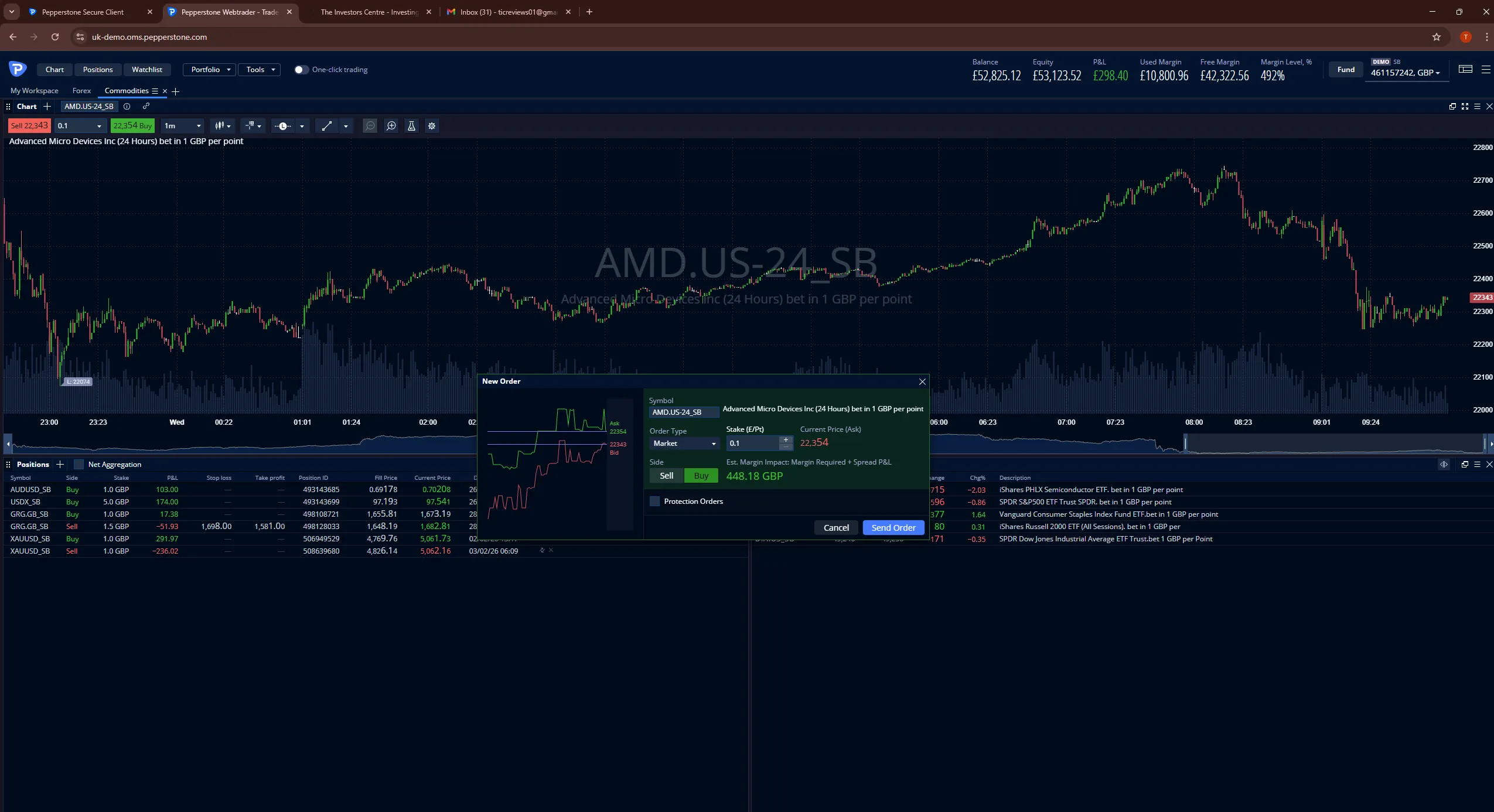
Execution. I've tested Pepperstone every year for four years running. It consistently delivers the fastest, cleanest fills of any retail CFD broker in Australia.
| Our Rating | ★★★★★ (4.7/5) |
|---|---|
| Best For | Active CFD/forex day traders who live on execution speed |
| CFD Spreads | From 0.0 pips (Razor) + US$3.50/lot per side |
| Platforms | MT4, MT5, cTrader, TradingView, native |
| ASIC Regulated | Yes - AFSL 414530 |
| Demo Account | Yes |
Pros
- Fastest execution tested - positive slippage recorded
- Razor account from 0.0 pips + $3.50/lot commission
- Five platform options including cTrader and TradingView
Cons
- CFDs only - no share ownership
- Five platforms may overwhelm beginners
- No ASX or US equity access
What Makes Pepperstone the Go-To for Aussie CFD Traders?
Execution. I've tested Pepperstone every year for four years running. It consistently delivers the fastest, cleanest fills of any retail CFD broker in Australia. On the Razor account this year, I recorded three instances where my EUR/USD limit orders filled at a better price than I set - positive slippage in my favour. That's not luck. That's deep liquidity and infrastructure built for speed.
Platform flexibility is also unmatched - MT4, MT5, cTrader, TradingView, and Pepperstone's native platform, all fully supported. If you've spent years building a chart layout in TradingView, you can trade directly from it. For traders who prefer MetaTrader specifically, I compare the best MT4 brokers in Australia here.
How Cheap Is the Razor Account in Reality?
On a standard AUD/USD lot, a round trip cost me roughly AU$8–10: about $7 in commission plus 0.1–0.3 pips in spread. Across 20 round trips per day, that's AU$160–200 daily. The Standard account rolls the commission into wider spreads (from 1.0 pips) - sounds simpler, costs more at volume. Active traders should always pick Razor. The ActiveTrader program tightens spreads another 30% once you hit volume thresholds and throws in a free TradingView subscription.
How Does Pepperstone's Execution Compare to IBKR?
Different game. Pepperstone's CFD fills matched or beat IBKR on major forex pairs during my testing. But IBKR offers direct exchange access for equities - a fundamentally different model that matters if you're day trading shares, not derivatives. For pure CFD and forex, Pepperstone is the best execution I've found in Australia. For equities, IBKR is in a different league.
Is Pepperstone Only for Forex Traders?
Use it if you day trade CFDs on forex, indices, or commodities and execution speed is your top priority. The Razor account with cTrader or MT5 is the benchmark setup for Australian CFD day traders.
Skip it if you want to own ASX shares - Pepperstone is CFDs only. And if you're a complete beginner, five platform options might overwhelm more than they help. Start with eToro and graduate here when you're ready.
Capital.com - Best for CFD Day Trading & AI Tools
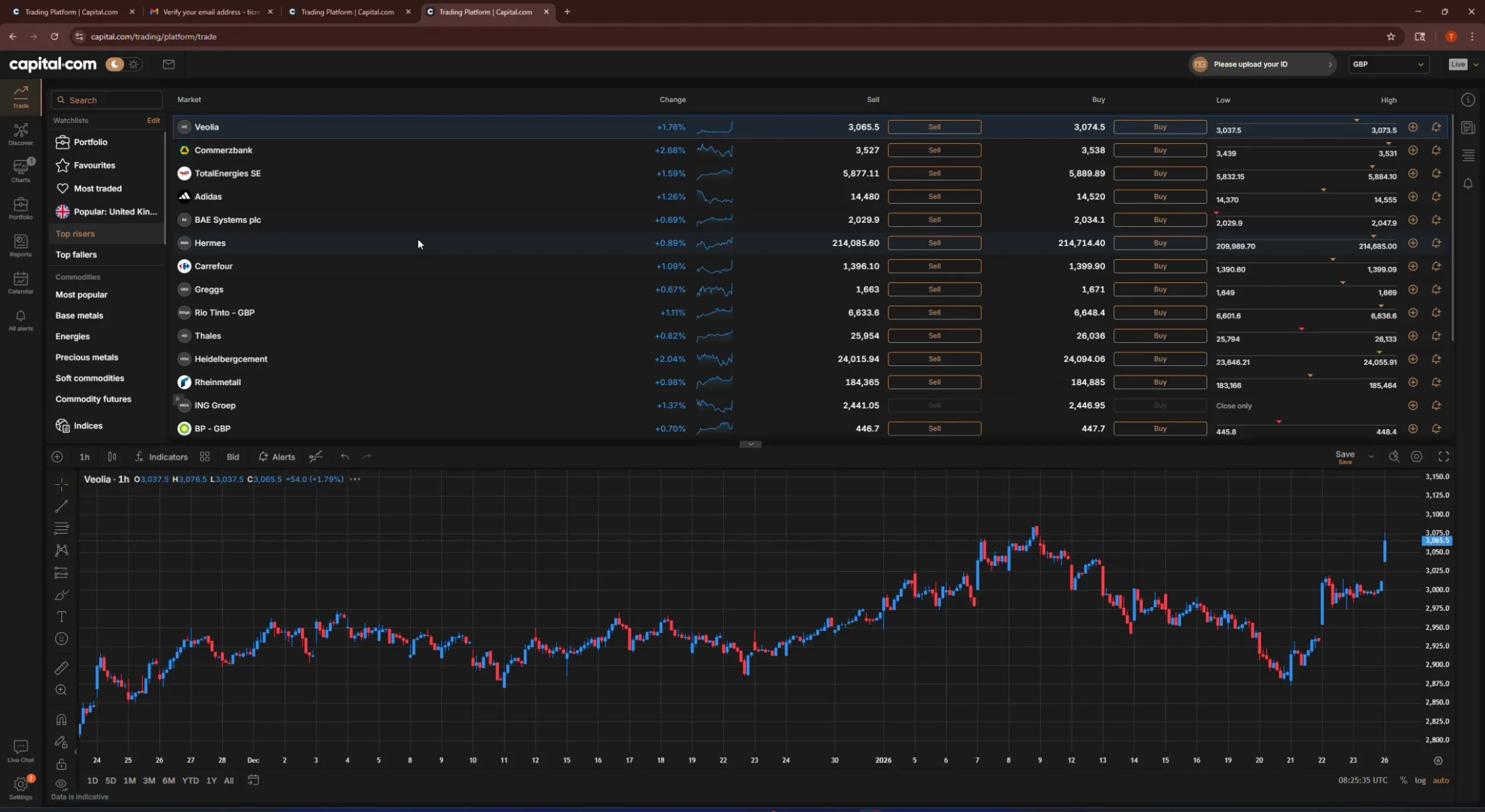
I expected the usual trick - zero commissions with spreads wide enough to drive a truck through. Didn't happen. AUD/USD spreads averaged 0.8 pips during the Sydney session across my testing month. That's tighter than eToro and on par with IG.
| Our Rating | ★★★★★ (4.8/5) |
|---|---|
| Best For | CFD day traders who want zero commissions |
| CFD Spreads | From 0.6 pips AUD/USD |
| Platforms | Capital.com web/app, MT4, TradingView |
| ASIC Regulated | Yes - AFSL |
| Demo Account | Yes |
Pros
- Zero-commission CFD trading with competitive spreads
- AI behavioural analysis catches poor trading habits
- Integrates with MT4 and TradingView
Cons
- CFDs only - no ASX share ownership
- No CHESS sponsorship
- Native charting less deep than dedicated platforms
Can a Zero-Commission CFD Broker Actually Deliver?
I expected the usual trick - zero commissions with spreads wide enough to drive a truck through. Didn't happen. AUD/USD spreads averaged 0.8 pips during the Sydney session across my testing month. That's tighter than eToro and on par with IG.
The real surprise was the AI behavioural analysis. Midway through week two it flagged me for taking three consecutive losing trades on AUD/USD and preparing to open a fourth in the same direction. It was right - I was revenge trading and I knew it. That single alert probably saved me a few hundred dollars.
The second differentiator is the educational integration. Capital.com embeds short explainers and risk context directly into the trading workflow - not buried in a separate "education" tab nobody clicks. When I opened a leveraged position on gold CFDs, the platform surfaced a 30-second explainer on overnight financing costs before I confirmed the trade. Small touches, but they compound into a meaningfully better experience for active traders managing risk across multiple positions.
What Does a Month on Capital.com Actually Cost?
On 15 CFD trades per day with $10,000 positions, my spread costs ran about $420 for the month. No commissions, no platform fee, no inactivity fee. The only trap is overnight financing if you hold past close - irrelevant if you're actually day trading.
Is the Platform Up to Scratch?
The native web platform is fast and clean. I ran six charts with multiple indicators - no stutter. The mobile app mirrors it almost exactly, which is rare. Charting depth doesn't match what you get on MT4 or TradingView natively, but Capital.com integrates with both. I ended up running TradingView for analysis and executing through Capital.com's app.
Who's Capital.com Built For?
Use it if you day trade CFDs on forex, indices, or commodities and want the simplest, cheapest cost structure going. The AI tools and integrated risk education add real value if you're honest enough to let a machine call out your bad habits.
Skip it if you want to own ASX shares. Capital.com is CFDs only - no CHESS sponsorship, no dividends. For direct shares, read the IG section. For a broader comparison of CFD brokers in Australia, see our full guide.
IG - Best All-Round Day Trading Platform
By dropping ASX commissions to $0 in mid-2025. That single move made IG the cheapest way to day trade Australian shares - and it already had the best platform.
| Our Rating | ★★★★★ (4.7/5) |
|---|---|
| Best For | Traders who want shares and CFDs under one roof |
| ASX Brokerage | $0 |
| US Brokerage | $0 (0.7% FX conversion) |
| CFD Spreads | From 0.6 pips AUD/USD |
| Platforms | IG, MT4, ProRealTime, TradingView, L2 Dealer |
| ASIC Regulated | Yes - AFSL 515106 |
| Demo Account | Yes |
Pros
- $0 ASX brokerage - cheapest share trading in Australia
- Best execution tested - average fill under 30ms
- Shares, CFDs, and forex all in one account
Cons
- Custodial model - no CHESS sponsorship
- 0.7% FX conversion on US trades (default setting)
- Inactivity fee after 2 years
How Does a 50-Year-Old Broker Still Compete?
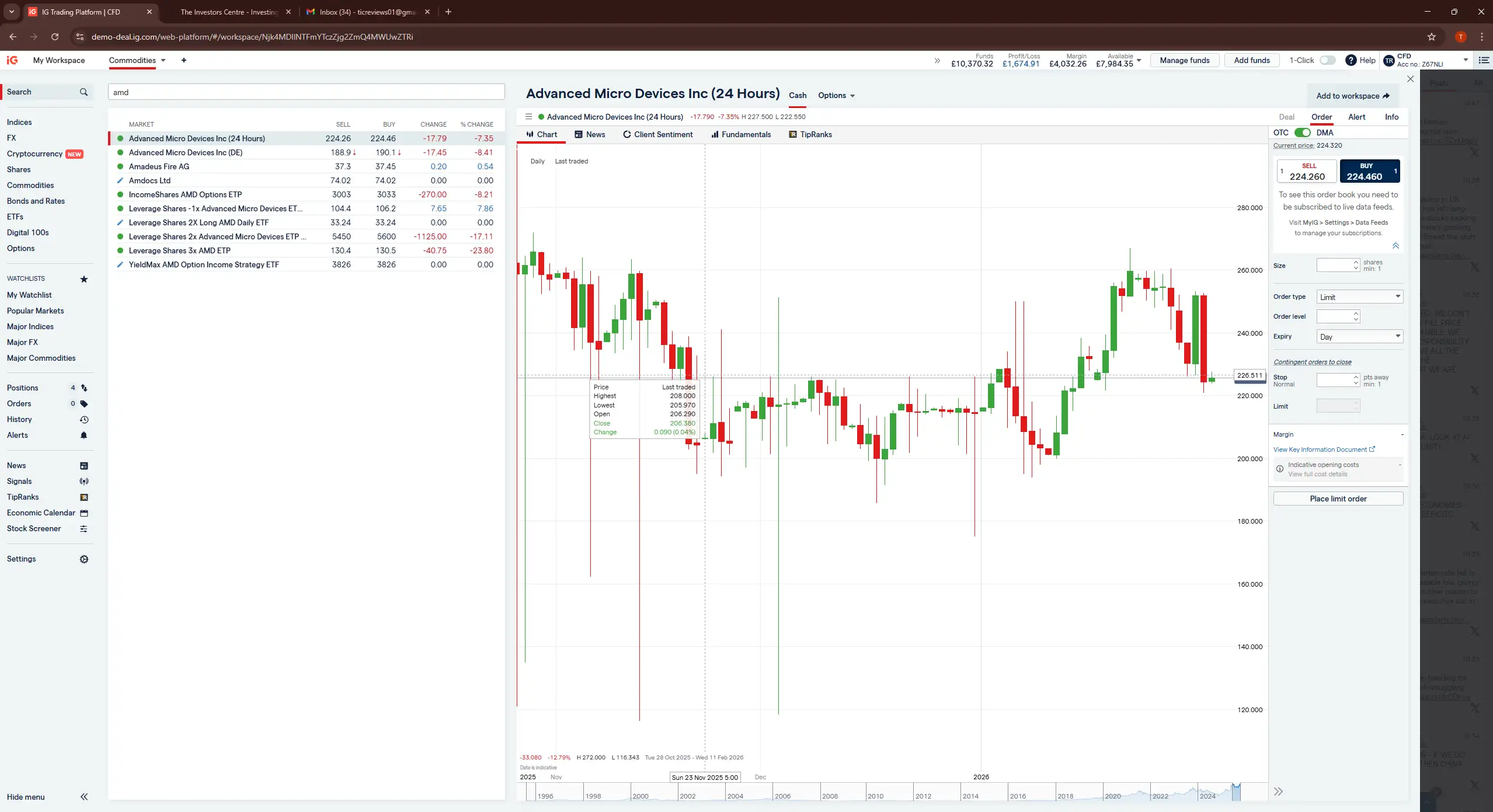
By dropping ASX commissions to $0 in mid-2025. That single move made IG the cheapest way to day trade Australian shares - and it already had the best platform. I ran IG as my primary broker for three weeks. Eight chart windows open, ProRealTime running institutional-grade technicals, live watchlists ticking. Zero lag. During the December RBA decision, every one of my orders processed without a requote.
Is $0 Commission Really $0?
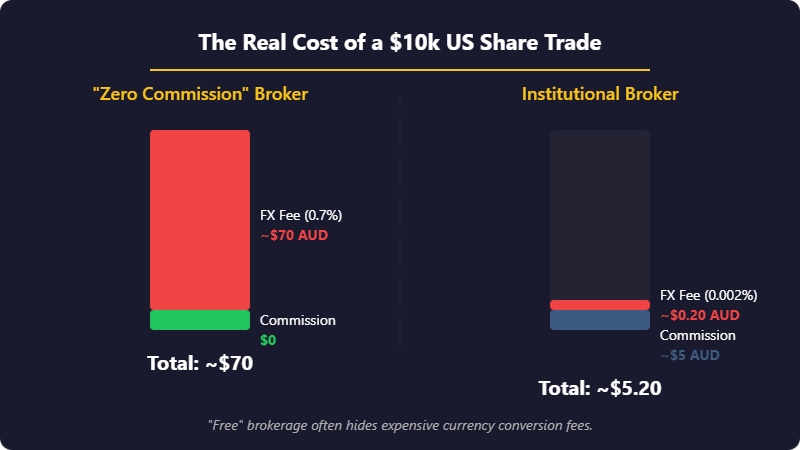
On ASX shares, yes - genuinely zero. US shares are where it gets sneaky. IG's default "instant currency conversion" setting bakes a 0.7% FX fee into the exchange rate. A US$10,000 trade costs roughly A$70 and you'll never see it as a line item. You can switch to manual conversion and pay a flat US 2¢ per share instead (minimum $10) - cheaper for bigger positions. IG doesn't exactly spotlight this option.
Does the Platform Hold Up When It Matters?
Best execution I tested this year. Average fill under 30ms. Zero requotes across 50+ trades. The one trade-off: IG uses a custodial model - no CHESS sponsorship on your shares. For day traders who close positions the same day, that's irrelevant. For anyone holding overnight regularly, it's worth thinking about - I compare CHESS vs custodial models in our main trading platform guide.
When Does IG Beat Capital.com?
Use it if you want one broker for everything - ASX shares in the morning, US names in the evening, forex CFDs when the mood strikes. Nothing else on this list does all three this well.
Skip it if you only trade CFDs (Capital.com is cheaper on spreads), you insist on CHESS sponsorship, or you need API access for algo trading (Interactive Brokers is the answer there).
eToro - Best Day Trading Broker for Beginners
At the professional level? No. But that's missing the point. eToro is where you learn to day trade without blowing up your account on day one.
| Our Rating | ★★★★☆ (4.2/5) |
|---|---|
| Best For | New day traders learning the craft |
| ASX Brokerage | $2 per side |
| US Brokerage | $2 per side |
| CFD Spreads | From 1.0 pips AUD/USD |
| Platforms | eToro (web + app) |
| ASIC Regulated | Yes - AFSL 491139 |
| Demo Account | Yes - $100,000 virtual |
Pros
- CopyTrader lets beginners learn from profitable traders
- $100,000 demo account - most generous available
- ASIC regulated with strong brand recognition
Cons
- $4 round-trip fees compound quickly at volume
- 0.75% FX conversion on US trades
- Proprietary platform only - no MT4/MT5
Can You Seriously Day Trade on a Social Trading Platform?
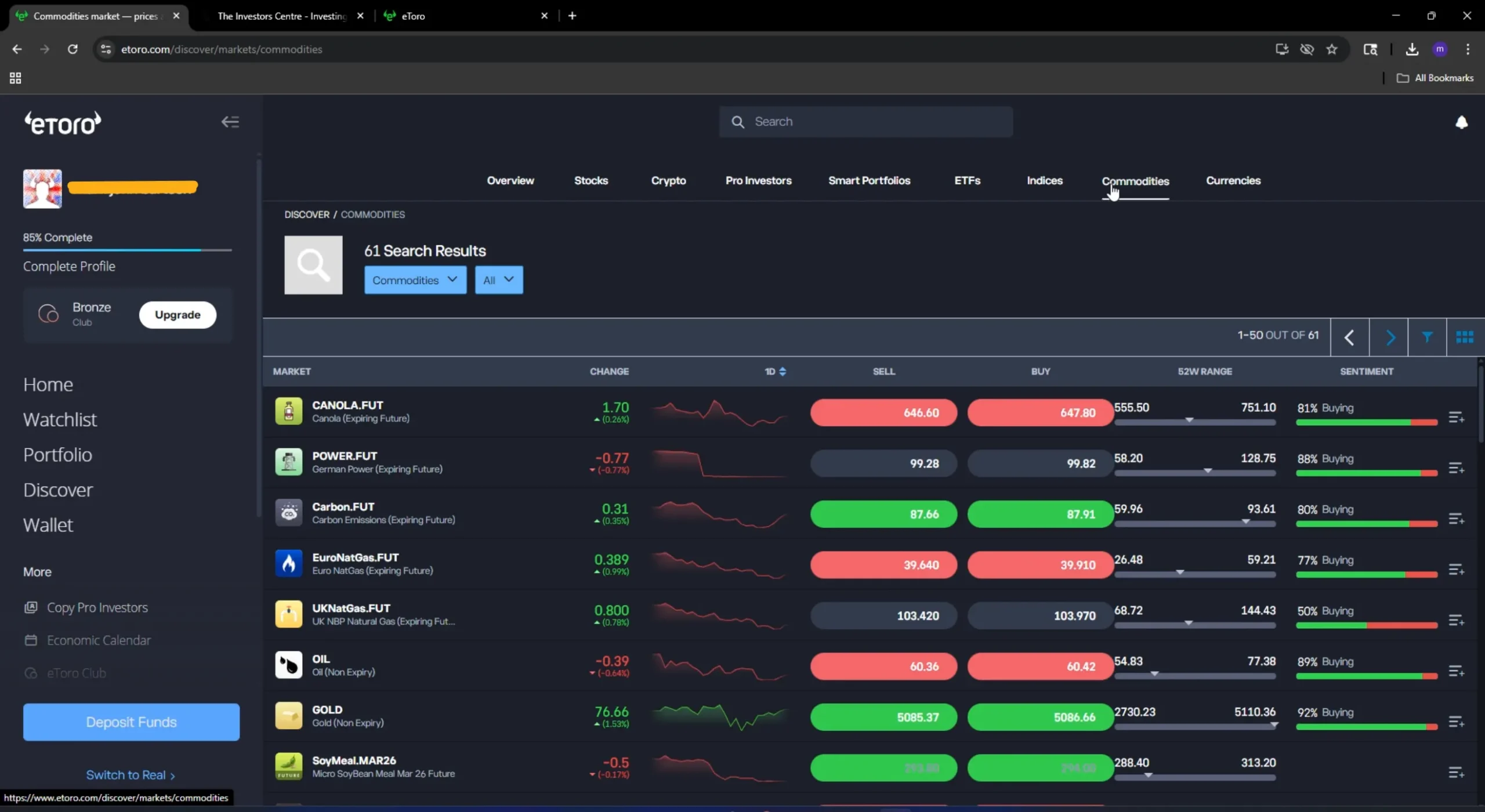
At the professional level? No. But that's missing the point. eToro is where you learn to day trade without blowing up your account on day one. I spent a week copying a Sydney-based forex trader with a 68% win rate. Watching his entries and exits in real time taught me more about intraday momentum than any course I've paid for - and I've paid for a few.
The platform itself is fine. Not great - fine. Charts are basic next to TradingView or ProRealTime. Execution was noticeably slower than IG or Pepperstone during the ASX open. And the $2-per-side fee looks expensive now that IG charges nothing.
How Fast Do eToro's Fees Add Up?
Fast. A $4 round trip across 10 trades per day is $40 daily - roughly $880 per month before you've made a cent. Add 0.75% currency conversion on US trades and eToro costs more than IG, Capital.com, or moomoo for the same activity. The fee structure suits someone making a few trades per week, not a few per hour.
Is CopyTrader a Shortcut or a Crutch?
Both - and that's fine if you're aware of it. Use it to study how profitable traders manage entries, sizing, and stops. Then stop copying and trade independently within three to six months. If you're still relying on CopyTrader after a year, you're not day trading - you're outsourcing.
Should Serious Day Traders Outgrow eToro?
Use it if you're genuinely new. The $100,000 demo account is the most generous on this list, and CopyTrader provides education no tutorial can match.
Skip it if you're making more than 5 trades per day (fees compound badly), you need advanced charting, or you want MT4/MT5 support. eToro locks you into its proprietary platform. For more on how eToro compares beyond day trading, see our investment apps comparison.
Saxo - Best for Multi-Asset Day Trading
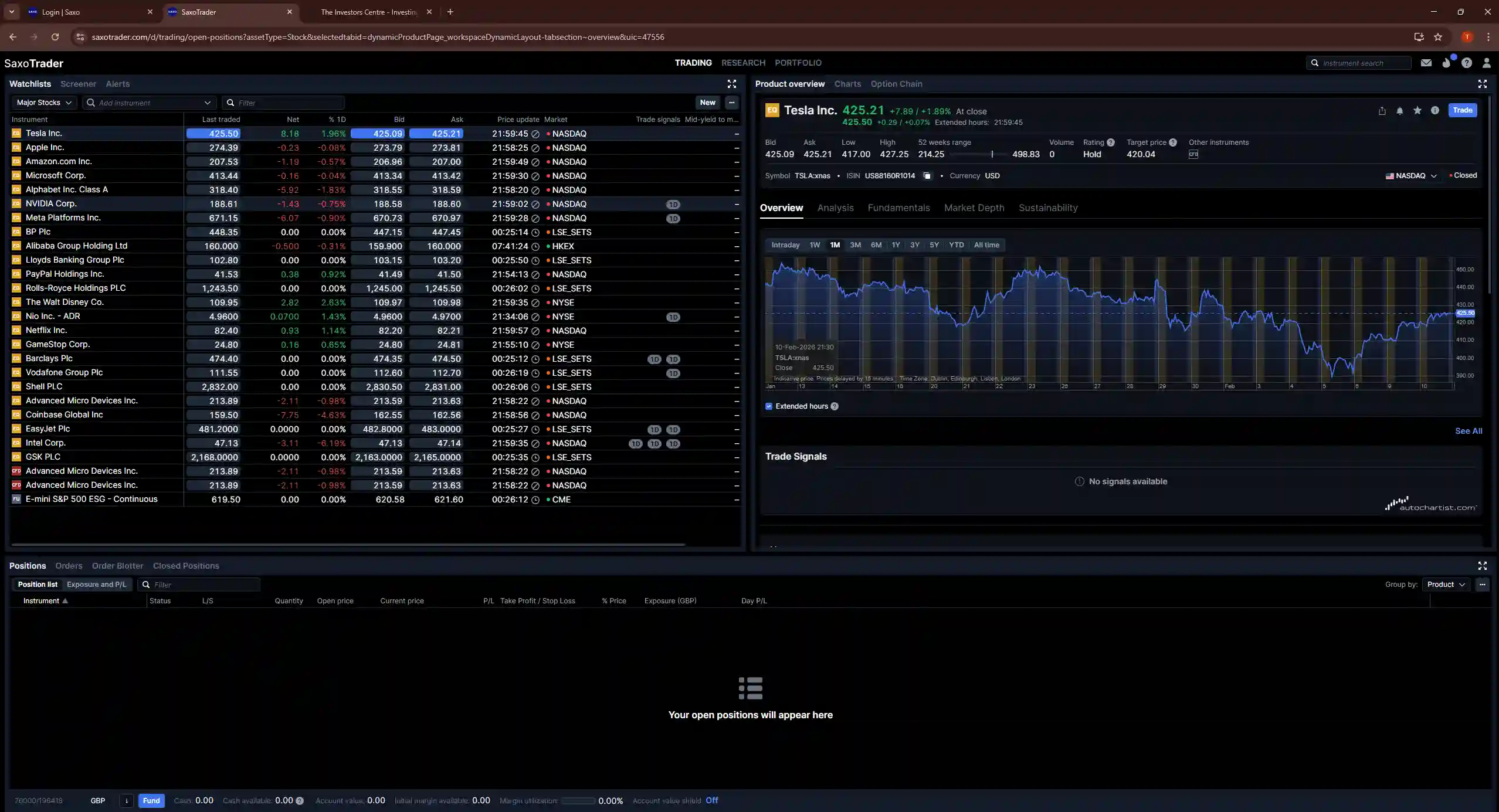
Saxo is the most expensive broker on this list - and it knows it. But Saxo isn't competing on price. It's competing on breadth.
| Our Rating | ★★★★☆ (4.3/5) |
|---|---|
| Best For | Experienced traders who want shares, options, futures, and CFDs in one place |
| ASX Brokerage | From $7 |
| US Brokerage | From US$1 |
| CFD Spreads | From 0.4 pips AUD/USD |
| Platforms | SaxoTraderGO, SaxoTraderPRO |
| ASIC Regulated | Yes - AFSL |
| Demo Account | Yes |
Pros
- Shares, options, futures, and CFDs on one platform
- SaxoTraderPRO rivals institutional terminals
- Best in-house research of any retail broker
Cons
- $7 ASX brokerage - expensive vs IG's $0
- Execution delays noted during RBA announcement
- Overkill if you only trade one asset class
Does Saxo's Premium Price Tag Buy You a Better Edge?
Saxo is the most expensive broker on this list - and it knows it. ASX brokerage starts at $7, which stings when IG charges nothing. But Saxo isn't competing on price. It's competing on breadth. This is the only platform where I could day trade ASX shares, US options, forex CFDs, and commodity futures from a single screen without switching accounts.
SaxoTraderPRO is genuinely impressive. The charting is deep - closer to a Bloomberg terminal than a retail broker. Multi-asset watchlists, options chain visualisation, algorithmic order types I didn't find anywhere else. If you're interested in options trading in Australia, Saxo is hard to beat.
What Does a Day Trading Session on Saxo Actually Cost?
More than it should. Ten ASX round trips at $7 per side is $140 daily - $3,080 per month in brokerage alone. US shares are cheaper (from US$1). CFD spreads from 0.4 pips on AUD/USD are actually tighter than Capital.com or IG. High-volume accounts can negotiate tiered pricing - worth the phone call.
Is Saxo's Research Good Enough to Replace a Paid Terminal?
Not Bloomberg. But for a retail broker? Best I've used. Morning trade ideas, in-house macro analysis, and an economic calendar that surfaces actionable setups rather than just listing data releases. I found myself checking Saxo's research before my usual sources on several mornings.
Who Can Justify Saxo's Higher Fees?
Use it if you day trade across multiple asset classes and need one platform for shares, options, futures, and CFDs.
Skip it if you mainly trade ASX shares or forex CFDs - you'll pay more for a narrower workflow than on IG or Pepperstone. Saxo earns its premium only if you actually use the breadth.
moomoo - Best Low-Cost Broker for Day Trading ASX and US Shares
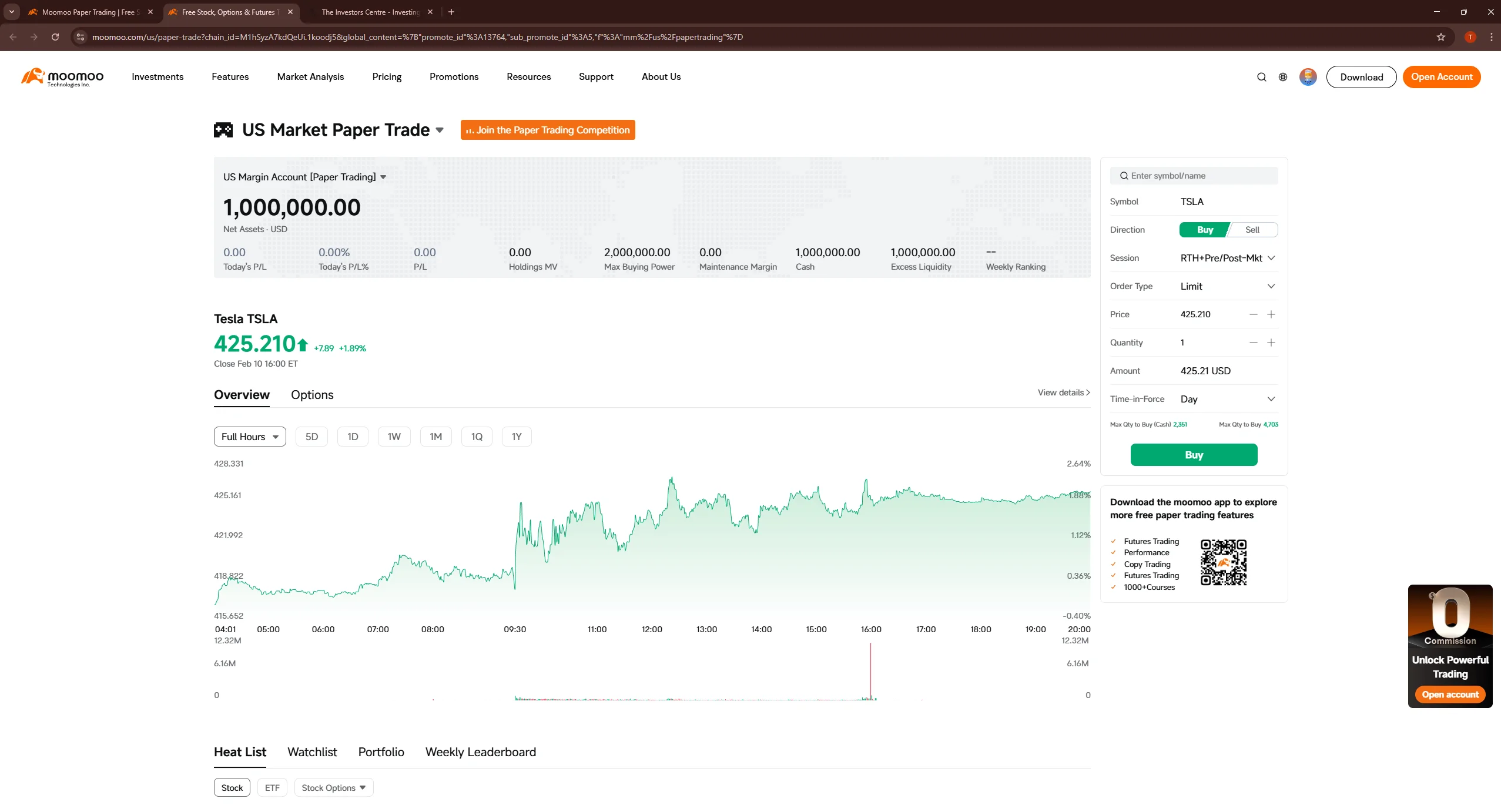
On price? Absolutely. $3 ASX brokerage with CHESS sponsorship undercuts almost everything except IG's $0.
| Our Rating | ★★★★☆ (4.1/5) |
|---|---|
| Best For | Cost-conscious share day traders focused on ASX and US markets |
| ASX Brokerage | $3 |
| US Brokerage | US$0.99 |
| Platforms | moomoo app, desktop, TradingView integration |
| ASIC Regulated | Yes - AFSL |
| CHESS Sponsored | Yes |
| Demo Account | Yes |
Pros
- $3 ASX brokerage with CHESS sponsorship
- Free Level 2 market data included
- TradingView integration and AI-driven tools
Cons
- No CFDs or forex trading
- Newer brand with less track record
- Currency conversion margin on US trades
Can a Newcomer Compete With Australia's Established Brokers?
On price? Absolutely. $3 ASX brokerage with CHESS sponsorship undercuts almost everything except IG's $0. US trades at US$0.99 are the cheapest I found for direct share ownership. And unlike IG, moomoo gives you CHESS sponsorship - your shares are legally yours even if the broker collapses.
The app surprised me. Clean layout, fast order entry, and the built-in tools - heat maps, institutional flow tracking, AI-driven technicals - punch well above this price point. As of , moomoo also integrates with TradingView.
How Does moomoo Keep Fees So Low?
Currency conversion. moomoo makes its real margin on the FX spread for US trades - around 0.25% . Cheaper than eToro (0.75%) and IG (0.7%), but not free. On 10 US round trips per day averaging US$5,000, conversion costs add roughly A$25 daily on top of $9.90 in brokerage.
Is Free Level 2 Data a Game-Changer?
For ASX day trading - genuinely, yes. Most brokers charge extra for market depth. moomoo includes it free. Seeing the order book in real time - who's stacking bids, where the sell walls sit - gave me a tangible edge timing entries on mid-cap ASX names. For a broader look at stock brokers in Australia, see our full comparison.
Should You Trust moomoo With Serious Capital?
Use it if you day trade ASX and US shares, want CHESS sponsorship, and care about keeping costs minimal.
Skip it if you trade CFDs or forex (moomoo doesn't offer them), need European or Asian markets beyond Hong Kong, or you're uncomfortable with a newer brand. moomoo is backed by Futu Holdings (NASDAQ-listed), but it doesn't have IG's 50-year track record.
Interactive Brokers - Best for Professional Day Traders
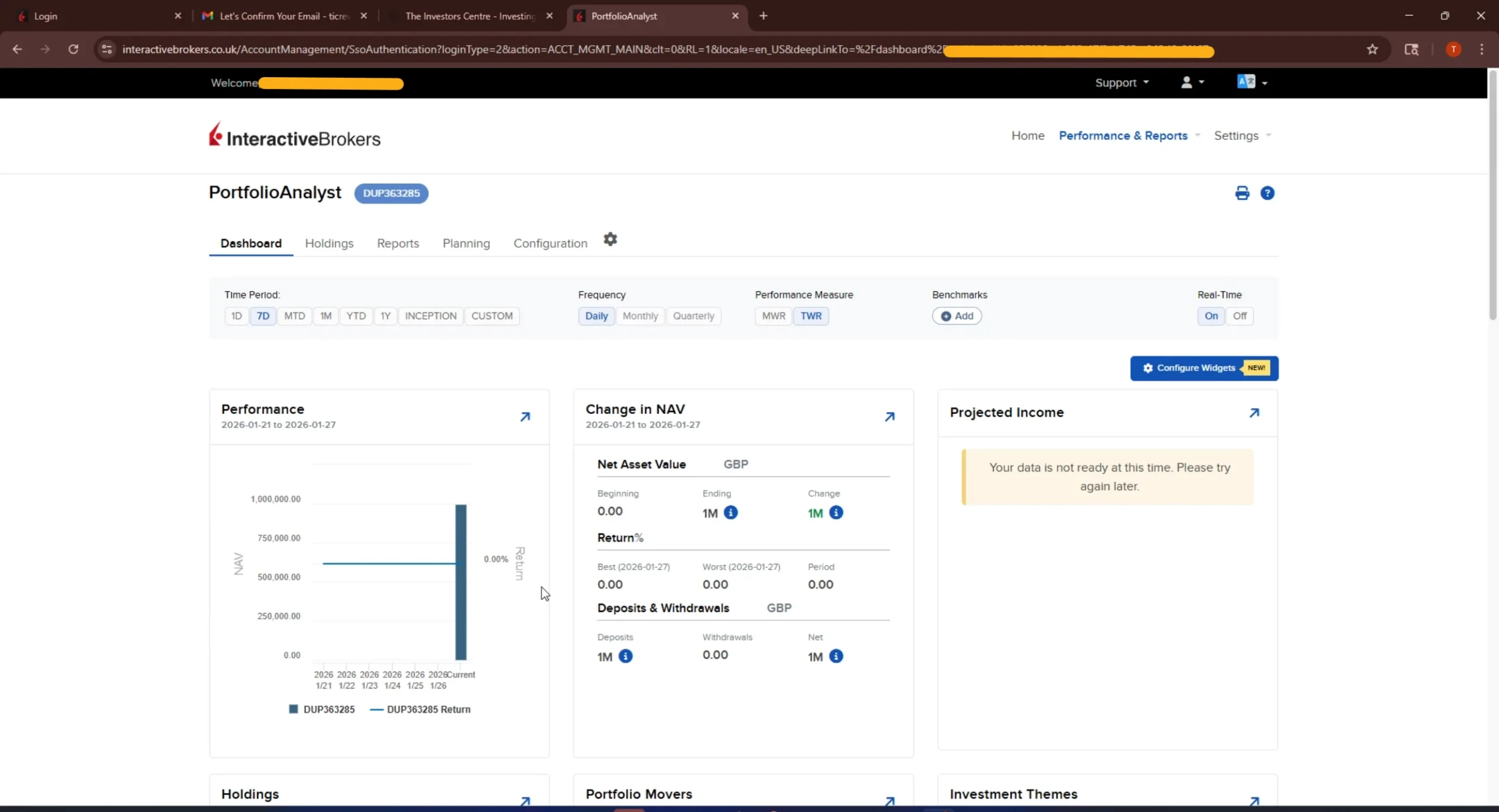
Because nothing else comes close on access. Direct market access to 150+ exchanges. Fractional-penny pricing on US equities.
| Our Rating | ★★★★★ (4.6/5) |
|---|---|
| Best For | Professionals who need direct exchange access and API control |
| ASX Brokerage | $5 or 0.08% |
| US Brokerage | US$0.0035/share (capped at 1%) |
| CFD Spreads | From 0.1 pips |
| Platforms | TWS, IBKR Desktop, Client Portal |
| ASIC Regulated | Yes - AFSL 453554 |
| CHESS Sponsored | Yes |
| Demo Account | Yes |
Pros
- Direct exchange access to 150+ markets
- Cheapest US equity execution and FX conversion (0.002%)
- Full API access for algorithmic trading
Cons
- Steepest learning curve of any broker tested
- Charges for live ASX market data
- Platform UX designed for power, not simplicity
Why Do Institutional Traders Keep Choosing IBKR?
Because nothing else comes close on access. Direct market access to 150+ exchanges. Fractional-penny pricing on US equities. An API that lets you build custom algorithms without a six-figure infrastructure budget. IBKR isn't a retail broker pretending to be professional - it's an institutional broker that happens to accept retail accounts.
If you already know you need IBKR, you don't need me to sell you. Trader Workstation is the most powerful platform available in Australia. It's also the least intuitive. I've used it for years and still discover features buried three menus deep.
Are IBKR's Fees Really the Lowest?
For US shares, nothing touches it. US$0.0035 per share means a 1,000-share trade costs US$3.50. ASX brokerage at $5 is mid-range. The hidden cost: IBKR charges for live ASX market data (~A$22/month ) while moomoo and IG include it free.
Currency conversion is where IBKR destroys everyone. The FX spread is roughly 0.002% - essentially free. Compare that to IG's 0.7% or eToro's 0.75%. If you regularly convert AUD to USD, IBKR saves you hundreds per month. For a detailed comparison, see how IBKR stacks up in our investment platforms guide.
Is the Learning Curve Worth It?
If you're trading seriously, yes. If you're asking the question, probably not yet. Start with IG or Pepperstone, learn the mechanics, migrate to IBKR when you've outgrown them. That's what I did - and I wish someone had told me that instead of letting me waste three months confused by TWS.
Who Thrives on IBKR - and Who Drowns in It?
Use it if you're a professional or advanced day trader who needs direct exchange access, API connectivity, or the cheapest US equity execution available.
Skip it if you're in your first year, you primarily trade CFDs (Pepperstone is purpose-built for that), or you value clean UX over raw power. IBKR rewards expertise. It does not hand-hold.
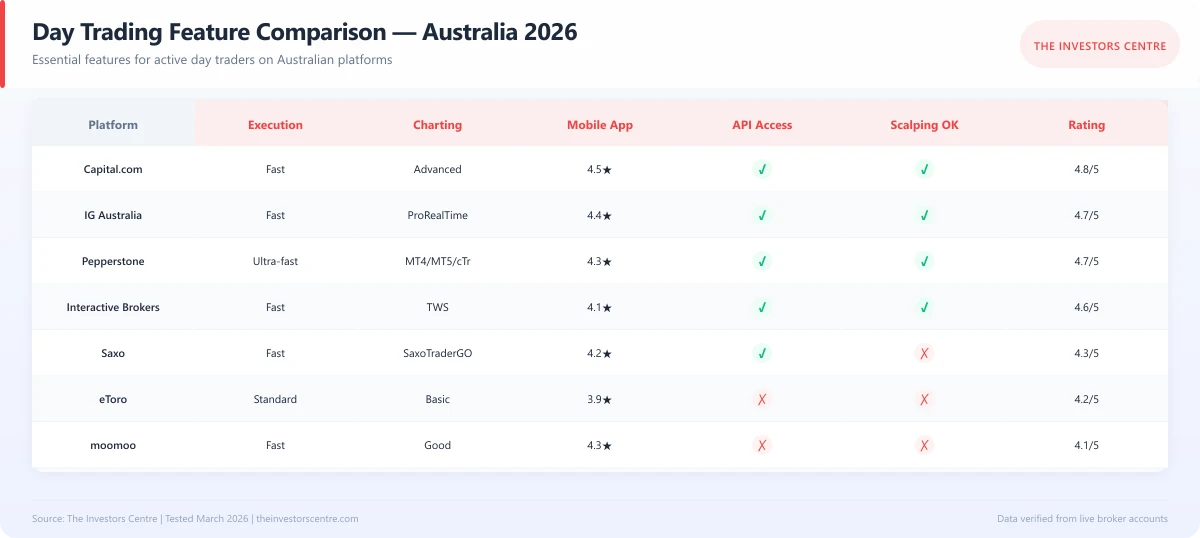
What Do Day Trading Fees Actually Cost You?
Headline brokerage is only part of the story. Here's what you actually pay across five cost categories - the numbers most comparison sites leave out.
| Broker | ASX Brokerage | US Brokerage | Currency Conversion | Inactivity Fee | Withdrawal Fee |
|---|---|---|---|---|---|
| Pepperstone | N/A (CFDs) | N/A (CFDs) | N/A | None | Free |
| Capital.com | N/A (CFDs) | $0 (spread) | 0.3% | None | Free |
| IG | $0 | $0 | 0.7% (instant) or US 2¢/share (manual) | $12/month after 2 years | Free |
| eToro | $2/side | $2/side | 0.75% | $10/month after 12 months | US$5 |
| Saxo | From $7 | From US$1 | 0.25% | None | Free |
| moomoo | $3 | US$0.99 | ~0.25% | None | Free |
| Interactive Brokers | $5 or 0.08% | US$0.0035/share | 0.002% | None | 1 free/month |
The standout: IBKR's currency conversion at 0.002% - roughly 350 times cheaper than IG's 0.7%. If you day trade US shares regularly, conversion fees alone save you more per month than brokerage differences between brokers. Full platform fee breakdown in our main comparison guide.
How Do You Choose a Day Trading Broker Without Getting Burned?
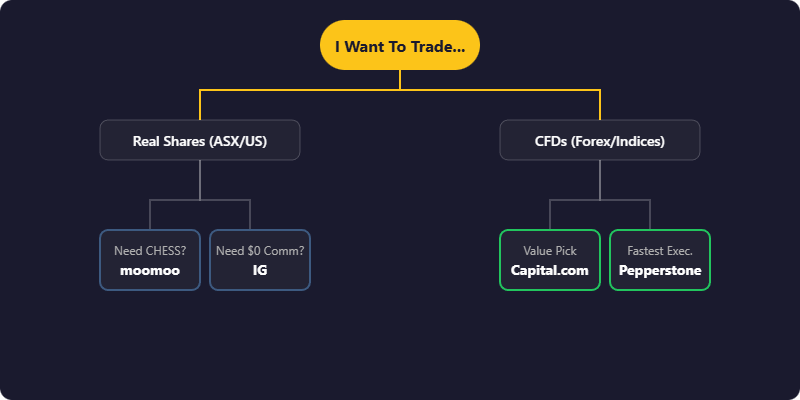
Start with what you actually trade. CFD day traders should look at Capital.com or Pepperstone. Share day traders should compare IG, moomoo, and IBKR. Trying to find one broker that does everything brilliantly is how you end up with one that does everything averagely.
Check the AFSL on the ASIC register yourself. Every broker here is regulated - but I've seen offshore operators advertise to Australians with misleading claims. No AFSL, no deposit.
Ignore sign-up bonuses. Calculate your realistic monthly cost - brokerage, spreads, currency conversion, data fees - at your actual trading volume. A "100 free trades" offer means nothing if spreads eat you alive from trade 101.
Open a demo and trade through at least one volatile session before committing real money. A platform that feels fast on a quiet Tuesday might freeze during an RBA announcement. Better to know that before your capital is on the line.
What Are the Day Trading Rules in Australia?
If you've been reading US trading guides, forget most of it. Australia doesn't have a Pattern Day Trading rule. No $25,000 minimum balance. No cap on how many day trades you make per week. You can open an account with $500 and execute 50 trades a day. This is one of the biggest advantages Australian day traders have - and most comparison sites barely mention it.
ASIC does impose leverage limits on CFDs: 30:1 major forex, 20:1 minor forex, 10:1 commodities, 5:1 share CFDs, 2:1 crypto. Non-negotiable for retail accounts. If a broker offers 500:1 leverage from Australia, they're either unregulated or breaking the rules.
How Is Day Trading Income Taxed in Australia?
Depends on whether the ATO classifies you as an investor or a trader carrying on a business. Multiple trades daily with the intent to profit from short-term moves? That's a business. Profits get taxed as ordinary income at your marginal rate - no 50% CGT discount. The upside: you can deduct platform fees, data subscriptions, home office costs, and education against your trading income. Keep meticulous records. Not tax advice - talk to an accountant who understands trading businesses.
The Bottom Line
There's no single best day trading broker - there's the best one for how you trade. Capital.com wins on cost and innovation for CFD traders. IG wins on flexibility. Pepperstone wins on execution speed. IBKR wins for professionals who need institutional access. Pick the one that matches your actual trading style today, not the one that sounds most impressive. You can always switch - I do it every year.
Frequently Asked Questions
Disclosure
Some links in this article are affiliate links. If you open an account through one of these links, I may receive a commission at no additional cost to you. This does not influence my ratings, rankings, or review content. All opinions are based on my personal testing.