
- Expertise:
- Platform Testing, Cryptocurrency, Retail Investing
- Credentials:
- Active investor since 2013 · 11+ years experience
- Tested:
- 50+ platforms · 200+ guides authored

- Expertise:
- CFD Trading, Forex, Derivatives, Risk Management
- Credentials:
- Chartered ACII (2018) · Trading since 2012
- Tested:
- 40+ forex & CFD platforms with live accounts
How We Test
Real accounts. Real money. Real trades. No demo accounts or press releases.
What we measure:
- Spreads vs advertised rates
- Execution speed and slippage
- Hidden fees (overnight, withdrawal, conversion)
- Actual withdrawal times
Scoring:
Fees (25%) · Platform (20%) · Assets (15%) · Mobile (15%) · Tools (10%) · Support (10%) · Regulation (5%)
Testing team:
Adam Woodhead (investing since 2013), Thomas Drury (Chartered ACII, 2018), Dom Farnell (investing since 2013) — 50+ platforms with funded accounts
Quarterly reviews · Corrections: [email protected]
Disclaimer
Not financial advice. Educational content only. We're not FCA authorised. Consult a qualified advisor before investing.
Capital at risk. Investments can fall. Past performance doesn't guarantee future results.
CFD warning. 67-84% of retail accounts lose money trading CFDs. High risk due to leverage.
Contact: [email protected]
Quick Answer: Is Coinbase Actually Safe?
Yes. Coinbase is generally safe for Australians. It's AUSTRAC registered, stores 98% of crypto offline, and holds $255M insurance. But crypto losses aren't covered if your account is hacked. Always use 2FA and consider hardware wallets for large holdings.
Security at a Glance
| Category | Verdict |
|---|---|
| Overall Security Rating | 4.8/5 (The Investors Centre) |
| Best For | Australians prioritising security + simplicity |
| AU Regulation | AUSTRAC registered (DCE100784914-001) |
| ASIC Licensed | No |
| Cold Storage | 98% of crypto stored offline |
| Insurance | $255M hot wallet (Lloyd's of London) |
| Financial Claims Scheme | NOT covered |
| Trust Level | High – NASDAQ listed, SOC 2 certified |
 Trusted Exchange
Don’t invest unless you’re prepared to lose all the money you invest. This is a high-risk investment and you should not expect to be protected if something goes wrong. Take 2 mins to learn more.
What Is Coinbase and How Does It Work?
Coinbase is one of the world's largest cryptocurrency exchanges, founded in 2012 and publicly traded on NASDAQ. It lets you buy, sell, and store digital assets like Bitcoin via web or app, serving over 100 million users globally.
For a complete platform analysis including fees and features, see our full Coinbase review for Australian investors.
How Does Coinbase Make Money?
Coinbase earns from transaction fees when you buy/sell crypto, spreads on trades (~0.5%), staking commission (15-35%), and institutional custody services. Australian users pay up to 4.5% on instant buys—higher than local competitors. Lower fees available on Coinbase Advanced (0.40%/0.60%).
How Safe Is Coinbase for Australian Users?
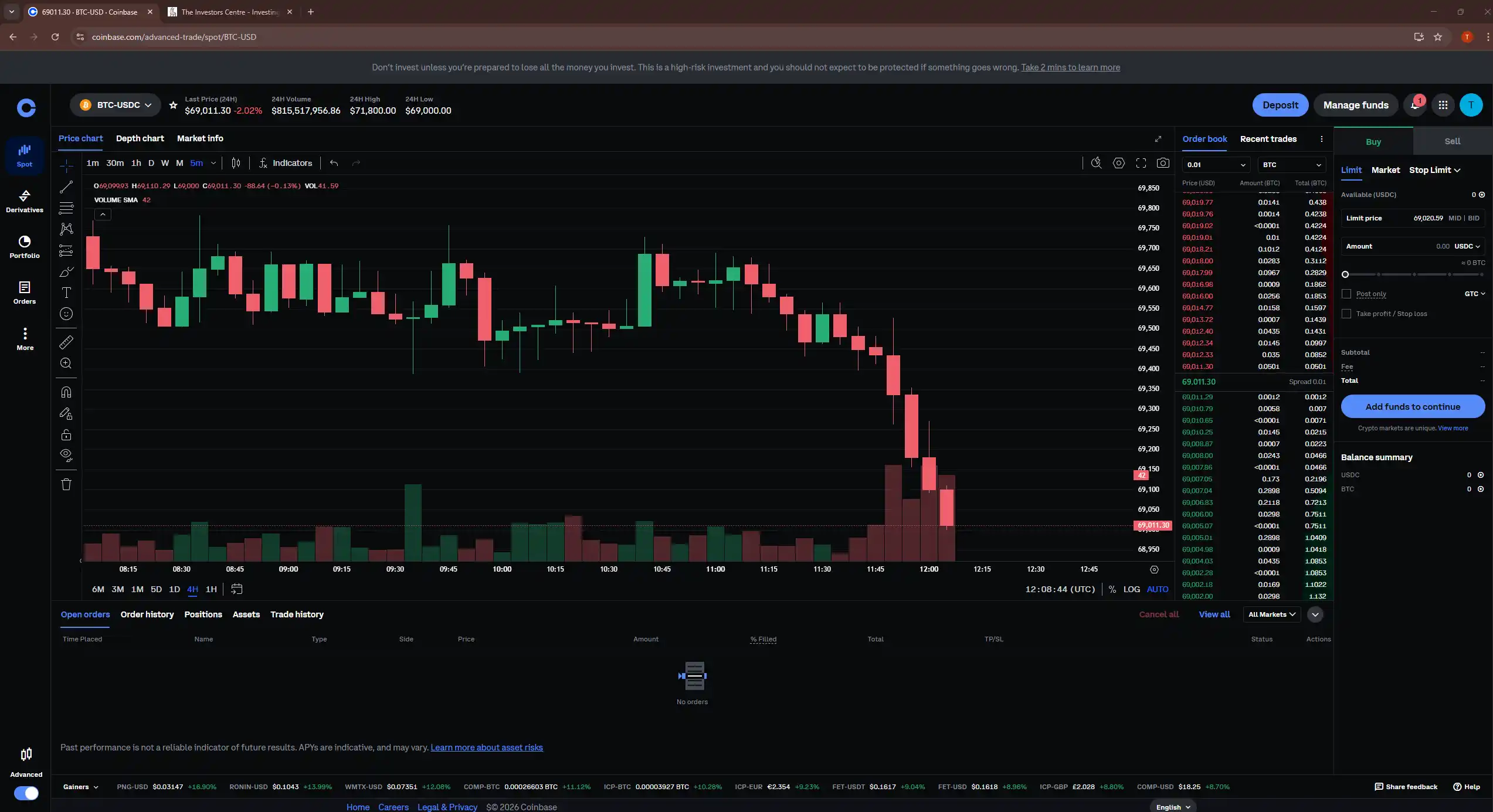
Coinbase invests heavily in security: encrypted platforms, AUSTRAC compliance, and $255M insurance on hot wallets. While no exchange eliminates crypto risks, Coinbase's blend of advanced tech and regulatory oversight makes it one of the more secure options available.
How Secure Is the Coinbase Platform?
Coinbase uses bank-level AES-256 encryption, stores 98% of crypto offline in air-gapped cold storage, and undergoes continuous SOC 1 and SOC 2 security audits (Grant Thornton). The platform's core infrastructure is among the most secure in crypto.
How Strong Is Account Protection and 2FA?
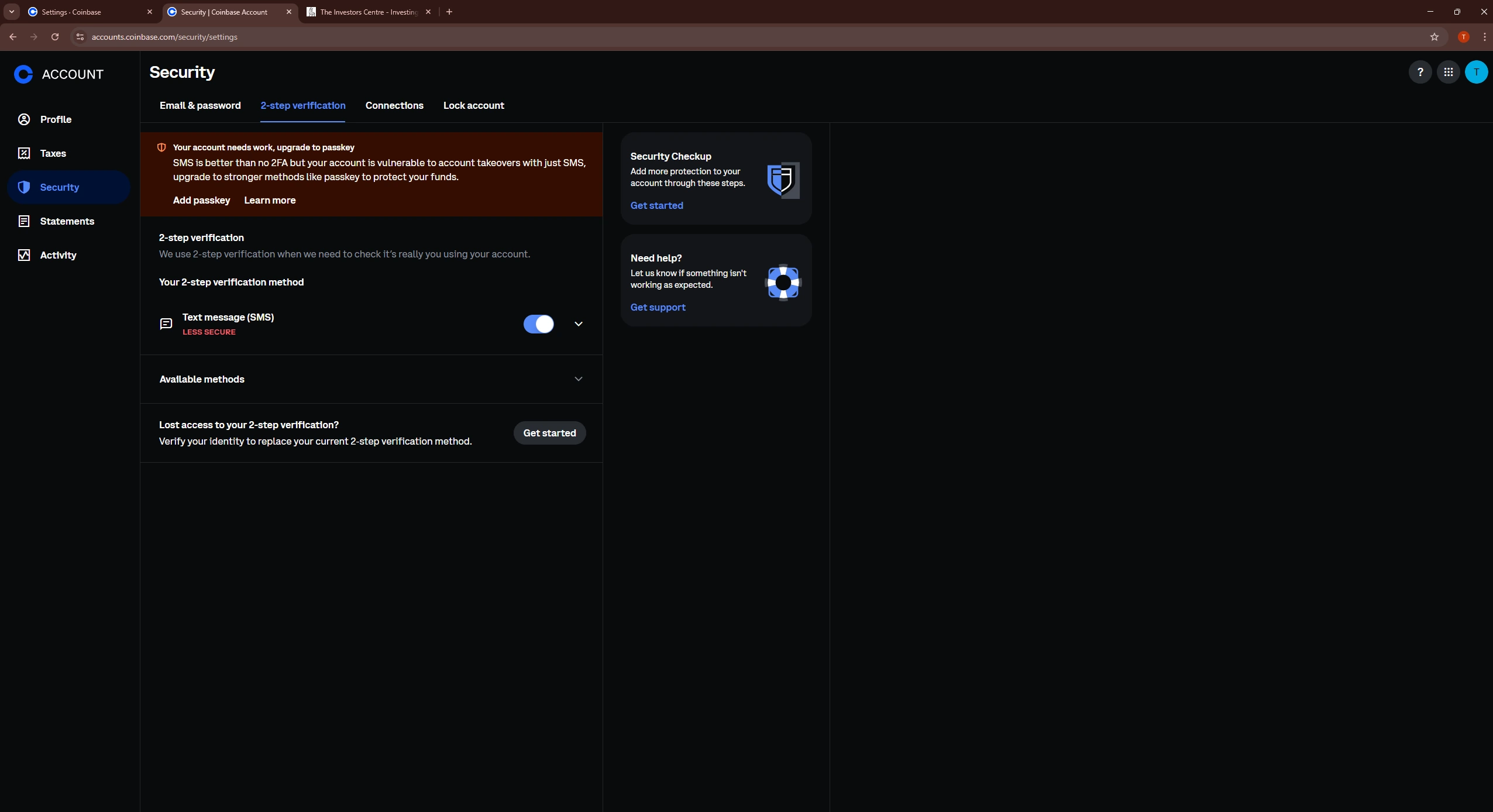
Coinbase protects accounts with mandatory two-factor authentication (2FA), biometric logins, and device verification. You'll receive alerts for suspicious activity and can set withdrawal address whitelists for added control against unauthorised transfers.
Is Coinbase Transparent and Well-Regulated in Australia?
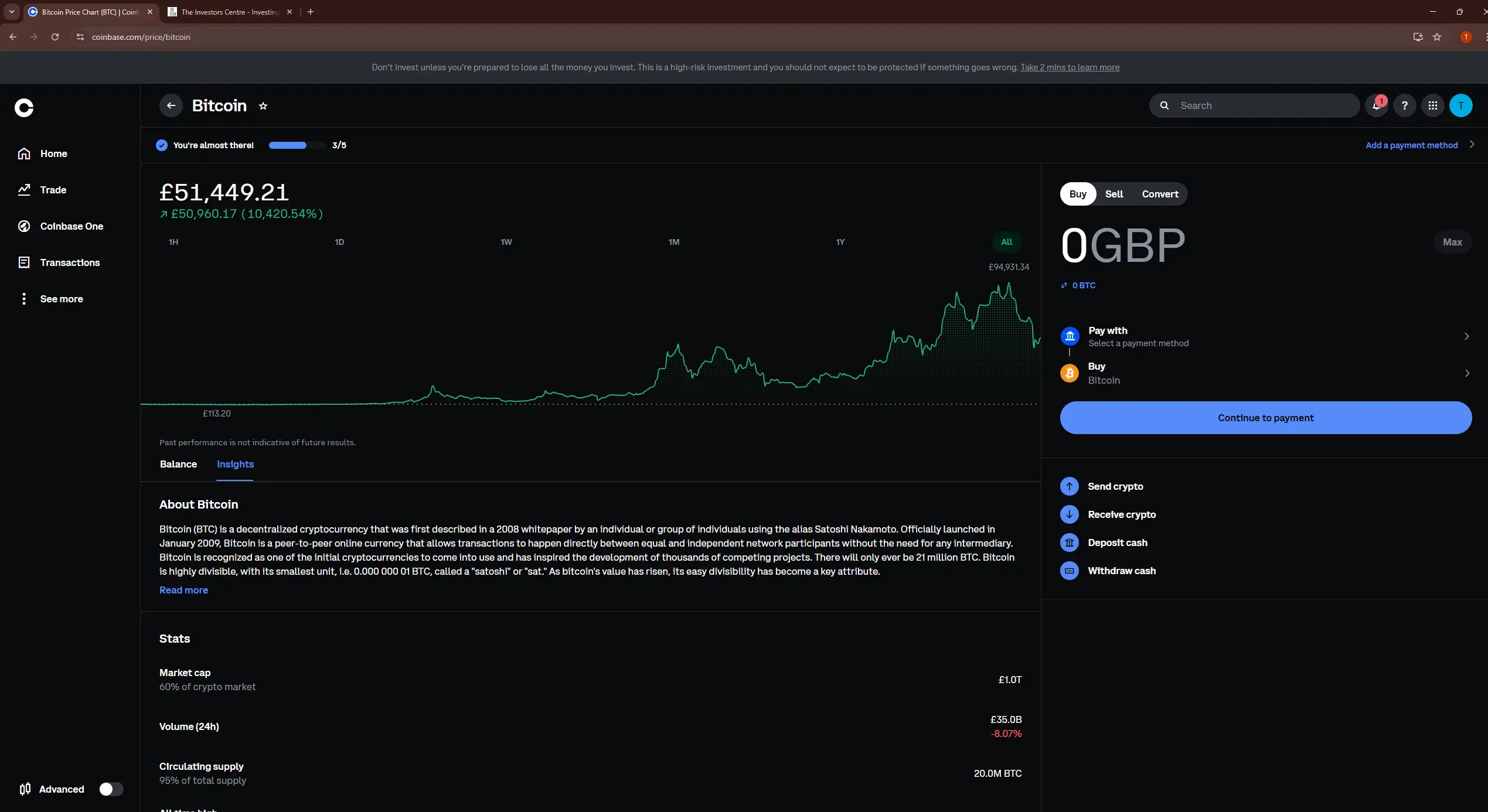
Partially. Coinbase is AUSTRAC registered for AML/CTF compliance and publicly traded on NASDAQ with transparent financials. However, it's NOT licensed by ASIC, RBA, or APRA—your crypto isn't covered by Australia's Financial Claims Scheme.
Security Features Breakdown
| Security Aspect | What Coinbase Offers | Why It Matters |
|---|---|---|
| Platform Security | AES-256 encryption, 98% cold storage, SOC audits | Protects against large-scale hacks |
| Account Protection | 2FA, biometric login, withdrawal whitelists | Reduces unauthorised access risk |
| AU Regulation | AUSTRAC registered (DCE100784914-001) | AML/CTF compliance required |
| Insurance | $255M hot wallet insurance (Lloyd's) | Covers platform-side breaches |
| Crypto Protection | NOT covered by Financial Claims Scheme | Your crypto is at risk if Coinbase fails |
| Bankruptcy Risk | Cash may be protected; crypto tied up in proceedings | Use hardware wallets for large holdings |
Does Coinbase Insure Your Crypto or Cash?
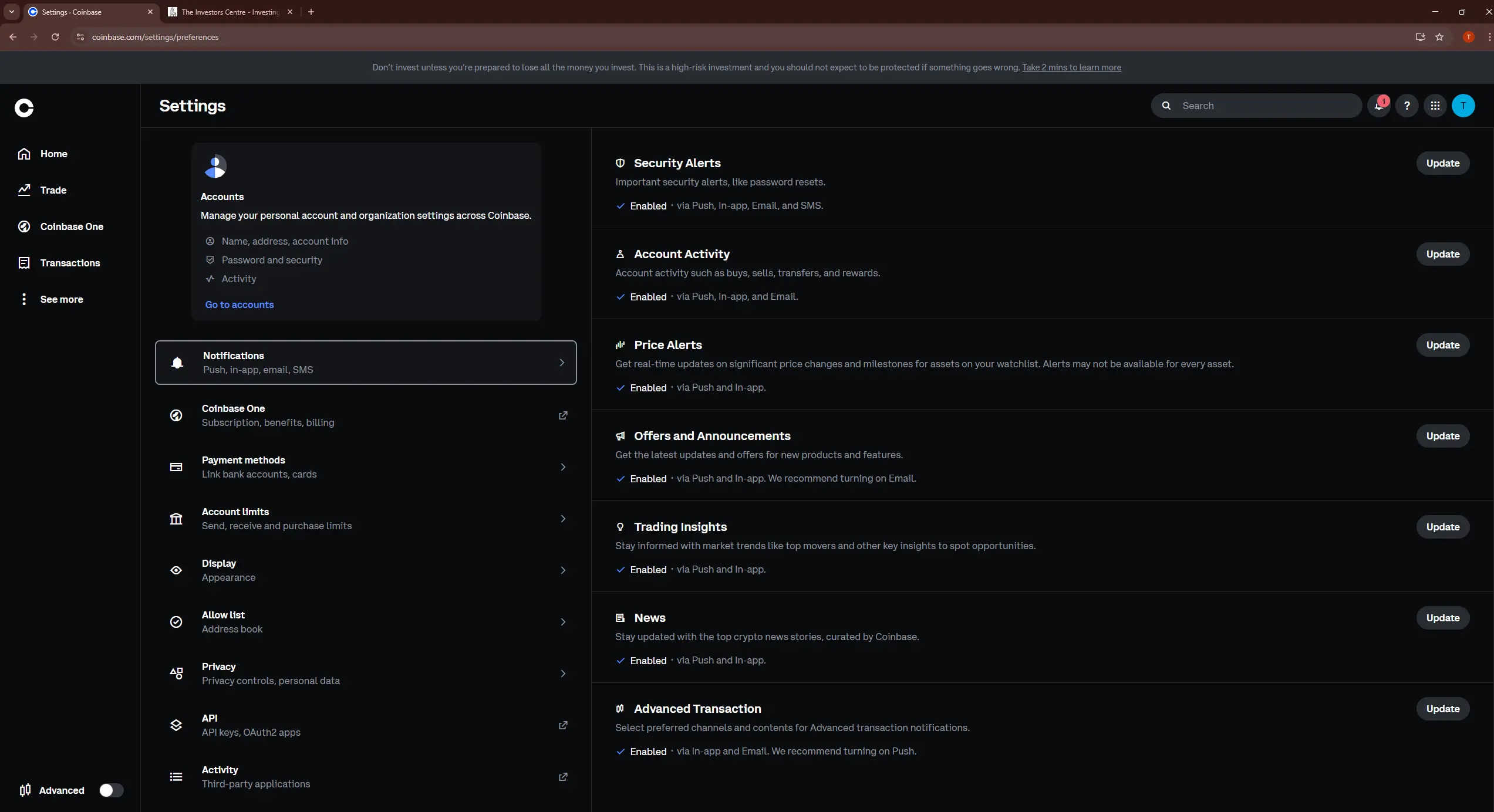
Coinbase holds $255 million insurance on hot wallets via Lloyd's of London—covering platform-side breaches. However, crypto holdings aren't insured against market drops, personal hacks, or if you share your password. Always enable strong security.
What Happens If Coinbase Goes Bankrupt?
If Coinbase fails, your crypto could be tied up in lengthy legal proceedings. Unlike bank deposits, crypto isn't protected by Australia's Financial Claims Scheme. This underscores why many safeguard significant holdings in personal hardware wallets.
What Does AUSTRAC Registration Actually Mean?
AUSTRAC registration (DCE100784914-001) means Coinbase complies with Australia's Anti-Money Laundering and Counter-Terrorism Financing laws. It does NOT mean ASIC licensing or consumer protection—crypto exchanges aren't regulated like banks or stockbrokers.
Has Coinbase Ever Been Hacked?
Coinbase's core platform hasn't suffered a direct breach draining reserves. However, individual accounts have been compromised via phishing and SIM swap attacks. In 2021, an SMS exploit affected ~6,000 users globally—Coinbase reimbursed victims.
What Security Incidents Has Coinbase Faced?
No catastrophic platform hack. The 2021 SMS account recovery flaw let hackers bypass 2FA for users relying on SMS codes. Coinbase addressed the vulnerability and compensated affected users. Use authenticator apps, not SMS, for 2FA.
What Scams Should Australian Users Watch For?
Beware fake emails, login pages, and "Coinbase support" calls. Never share passwords or 2FA codes. Scammers use fake giveaways and social engineering. Always verify official URLs (coinbase.com) and enable withdrawal whitelists to protect funds.
Is Coinbase Wallet Safer Than Keeping Funds on the Exchange?
Different risks. Coinbase Wallet gives you full control of private keys—only you can access crypto. The exchange is easier but depends on Coinbase's security. Both have trade-offs; neither is universally "safer."
How Does Security Compare Between Options?
Coinbase Exchange: Custodial—Coinbase holds your keys. Easier recovery if you forget password. Risk: platform hacks or insolvency.
Coinbase Wallet: Non-custodial—YOU hold keys. Shields you from exchange failures. Risk: lose seed phrase = lose everything forever.
Where Should You Store Your Crypto?
For small, frequent trades: keep crypto on Coinbase exchange—convenient and recoverable. For long-term holdings or larger sums: transfer to Coinbase Wallet or hardware wallet (Ledger, Trezor). Combining both balances convenience with security.
For hardware wallet recommendations, see our guide to the best crypto wallets in Australia.
Is Coinbase Legal and Safe in Australia?
Yes, Coinbase operates legally in Australia under AUSTRAC registration. However, protections differ from regulated financial services. Crypto isn't covered by Financial Claims Scheme or AFCA—your rights are more limited than with banks or stockbrokers.
What Protections Do Australian Users Actually Have?
- AUSTRAC registration: AML/CTF compliance only
- ASIC licensing: None—crypto exchanges not regulated as financial services
- Financial Claims Scheme: NOT covered
- AFCA complaints: NOT within scope (Coinbase Australia User Agreement)
- Platform insurance: $255M on hot wallets via Lloyd's
What Are the Risks and Limitations of Using Coinbase?
While Coinbase is secure and AUSTRAC registered, users face typical crypto risks: volatile markets, platform outages, and custodial dependence. Instant buy fees are higher than local exchanges, and you bear responsibility for phishing or password breaches.
Are There Hidden Fees or High Spreads?
Coinbase charges clear fees, but spreads (~0.5%) and instant buy transaction fees (up to 4.5%) exceed most Australian exchanges. CoinSpot charges 1%, Swyftx 0.6%, Binance AU 0.1%. Lower fees available on Coinbase Advanced (0.40%/0.60%). Review pricing before large transactions.
For platforms with lower trading costs, see our guide to the lowest fee crypto exchanges in Australia.
Is Customer Support Responsive?
Mixed. Email and chat support exist, but responses can be slow during high volatility. Phone support available but may involve international rates. Getting urgent help often requires persistence. Not ideal for time-sensitive issues.
What Are the Risks of Custodial Storage?
With Coinbase holding your private keys, you rely on their security and solvency. If hacked or bankrupt, accessing crypto could be delayed or impossible. Non-custodial wallets shift responsibility to you but remove this single point of failure.
How Can You Make Coinbase Even Safer?
Even with Coinbase's strong protections, your security largely depends on you. Use robust passwords, enable all available security features, and consider offline storage. Simple best practices dramatically reduce hack and phishing risks.
What Are the Top Security Tips?
- Use unique, complex passwords—never reuse across sites
- Enable 2FA via authenticator app (not SMS)
- Set up withdrawal address whitelists
- Avoid logging in on public Wi-Fi
- Enable email/SMS alerts for login attempts
- Verify URLs—only use coinbase.com
- Never share 2FA codes with anyone claiming to be "support"
Should You Use a Hardware Wallet for Large Holdings?
Yes. For substantial balances, transfer to a hardware wallet (Ledger, Trezor). This keeps private keys offline and out of reach from online attacks or platform failures. Store recovery phrases securely—losing them means permanent loss.
What Are the Pros and Cons of Coinbase Security?
Pros:
- ✓ AUSTRAC registered, NASDAQ listed—transparent operations
- ✓ 98% of crypto in offline cold storage
- ✓ $255M insurance on hot wallets (Lloyd's of London)
- ✓ Strong 2FA, biometric login, withdrawal whitelists
- ✓ SOC 1 and SOC 2 certified security audits
- ✓ 2021 SMS exploit victims were reimbursed
Cons:
- ✗ NOT ASIC licensed—no Financial Claims Scheme protection
- ✗ Crypto holdings not insured against personal hacking
- ✗ Higher instant buy fees than most Australian exchanges
- ✗ Customer support can be slow
- ✗ Can freeze accounts under compliance reviews
Final Verdict: Should Australians Trust Coinbase in 2026?
Yes—with caveats. The Investors Centre rates Coinbase 4.8/5 for security. It's among the safest, most transparent exchanges globally: AUSTRAC registered, NASDAQ listed, SOC certified, $255M insured. Few competitors match this institutional-grade protection.
However, "safe" doesn't mean "risk-free." Crypto itself is volatile. Coinbase isn't ASIC licensed—your assets aren't protected by Financial Claims Scheme. Combine Coinbase's protections with smart personal security for best results.
Ready to start? See our complete guide to buying crypto in Australia, or compare all platforms in our guide to the best crypto exchanges in Australia.
What Is Our Expert View on Coinbase Security?
"For Australian investors prioritising security, Coinbase is hard to beat. NASDAQ listing means transparent financials, 98% cold storage protects against hacks, and $255M insurance covers platform-side breaches. Just remember: AUSTRAC registration isn't ASIC licensing—your crypto isn't protected like bank deposits."
— The Investors Centre
FAQs
References
Don’t invest unless you’re prepared to lose all the money you invest. This is a high-risk investment and you should not expect to be protected if something goes wrong. Take 2 mins to learn more.