
- Expertise:
- Platform Testing, Cryptocurrency, Retail Investing
- Credentials:
- Active investor since 2013 · 11+ years experience
- Tested:
- 50+ platforms · 200+ guides authored

- Expertise:
- CFD Trading, Forex, Derivatives, Risk Management
- Credentials:
- Chartered ACII (2018) · Trading since 2012
- Tested:
- 40+ forex & CFD platforms with live accounts
How We Test
Real accounts. Real money. Real trades. No demo accounts or press releases.
What we measure:
- Spreads vs advertised rates
- Execution speed and slippage
- Hidden fees (overnight, withdrawal, conversion)
- Actual withdrawal times
Scoring:
Fees (25%) · Platform (20%) · Assets (15%) · Mobile (15%) · Tools (10%) · Support (10%) · Regulation (5%)
Testing team:
Adam Woodhead (investing since 2013), Thomas Drury (Chartered ACII, 2018), Dom Farnell (investing since 2013) — 50+ platforms with funded accounts
Quarterly reviews · Corrections: [email protected]
Disclaimer
Not financial advice. Educational content only. We're not FCA authorised. Consult a qualified advisor before investing.
Capital at risk. Investments can fall. Past performance doesn't guarantee future results.
CFD warning. 67-84% of retail accounts lose money trading CFDs. High risk due to leverage.
Contact: [email protected]
Quick Answer: Is Kraken Safe?
Yes, Kraken is one of the safest centralised crypto exchanges available. Operating since 2013 with zero customer fund losses, the platform stores 95%+ of assets in cold storage, holds ISO/IEC 27001 certification, and publishes quarterly proof of reserves audits. That said, no exchange is without risk — in December 2024, Kraken's local operator was fined $8 million by ASIC for compliance failures on a margin trading product.
 Est. 2011
Don’t invest unless you’re prepared to lose all the money you invest. This is a high-risk investment and you should not expect to be protected if something goes wrong. Take 2 mins to learn more.
Introduction
This guide breaks down exactly what happened, how Kraken protects your crypto, and what risks remain—so you can make an informed decision before buying Bitcoin or other digital assets on the platform.
Is Kraken Safe to Use?
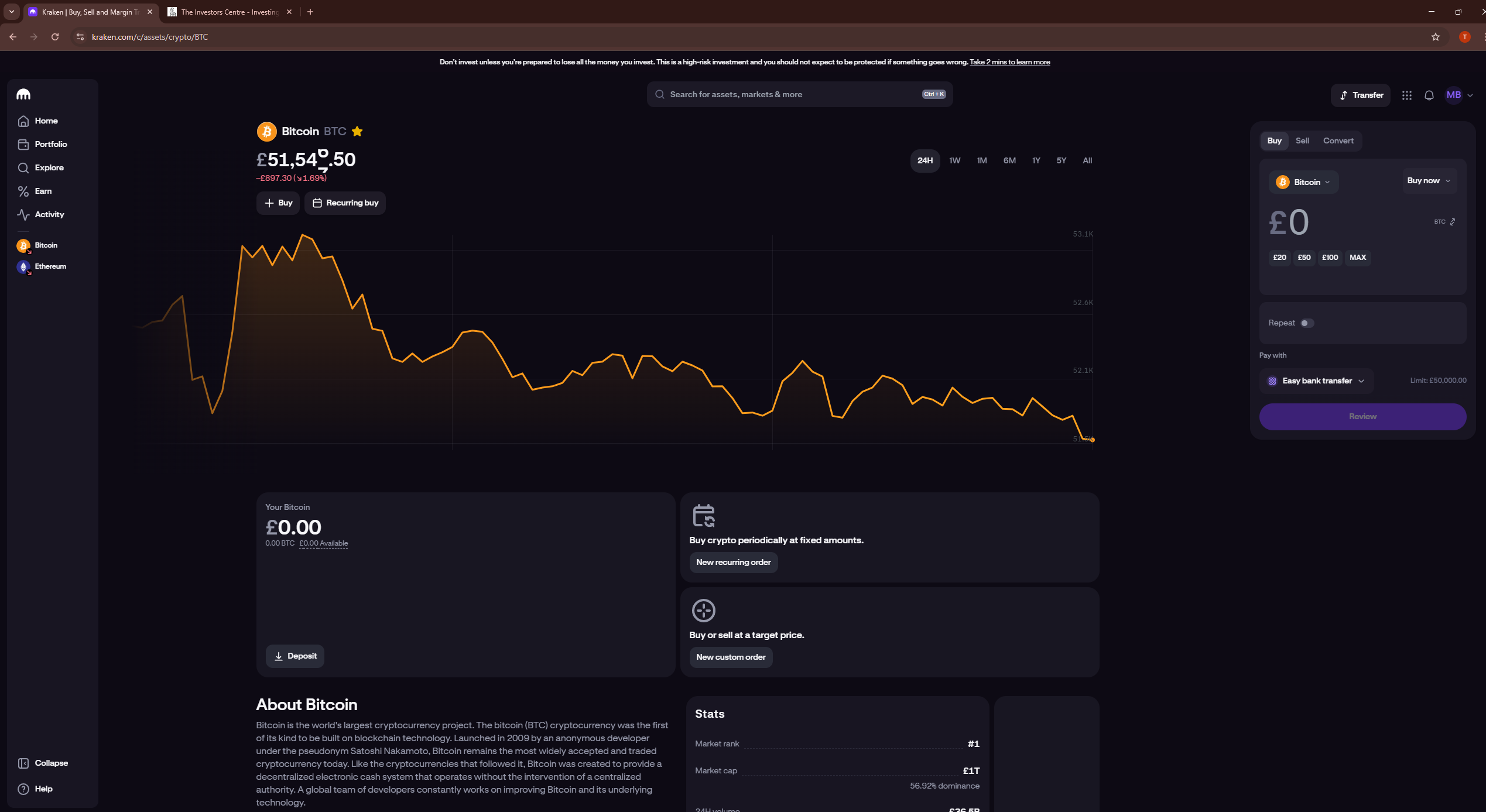
Yes, Kraken ranks among the most secure crypto exchanges globally. The platform has operated since 2013 without losing customer funds to hacking, holds ISO/IEC 27001 certification, and undergoes independent proof of reserves audits quarterly—a level of transparency few competitors match.
How Long Has Kraken Been Operating?
Kraken was founded in 2011 and launched publicly in 2013, making it one of the oldest exchanges still operating. According to Kraken's official security page, the platform now serves over 13 million users across 190+ countries, with longevity that reflects sustained trust from traders worldwide.
What Regulatory Licences Does Kraken Hold?
Kraken operates through Bit Trade Pty Ltd (ABN 42 163 237 634), registered with AUSTRAC as a Digital Currency Exchange. Globally, the platform holds licences with FinCEN (US), the FCA (UK), FINTRAC (Canada), and the FSA (Japan). In 2020, Kraken became the first crypto company to receive a Wyoming SPDI banking charter.
What Do User Reviews Say About Kraken?
Kraken holds a 2.6/5 rating on Trustpilot from approximately 4,000 reviews, with common complaints centring on verification delays, account restrictions, and customer support response times. However, app store ratings tell a different story—4.6/5 on iOS and 4.3/5 on Google Play. Notably, negative reviews rarely cite security concerns or fund losses; frustrations primarily relate to compliance processes and support speed during high-volume periods. This distinction matters for a safety assessment—operational friction differs significantly from security risk.
What Security Features Does Kraken Offer?
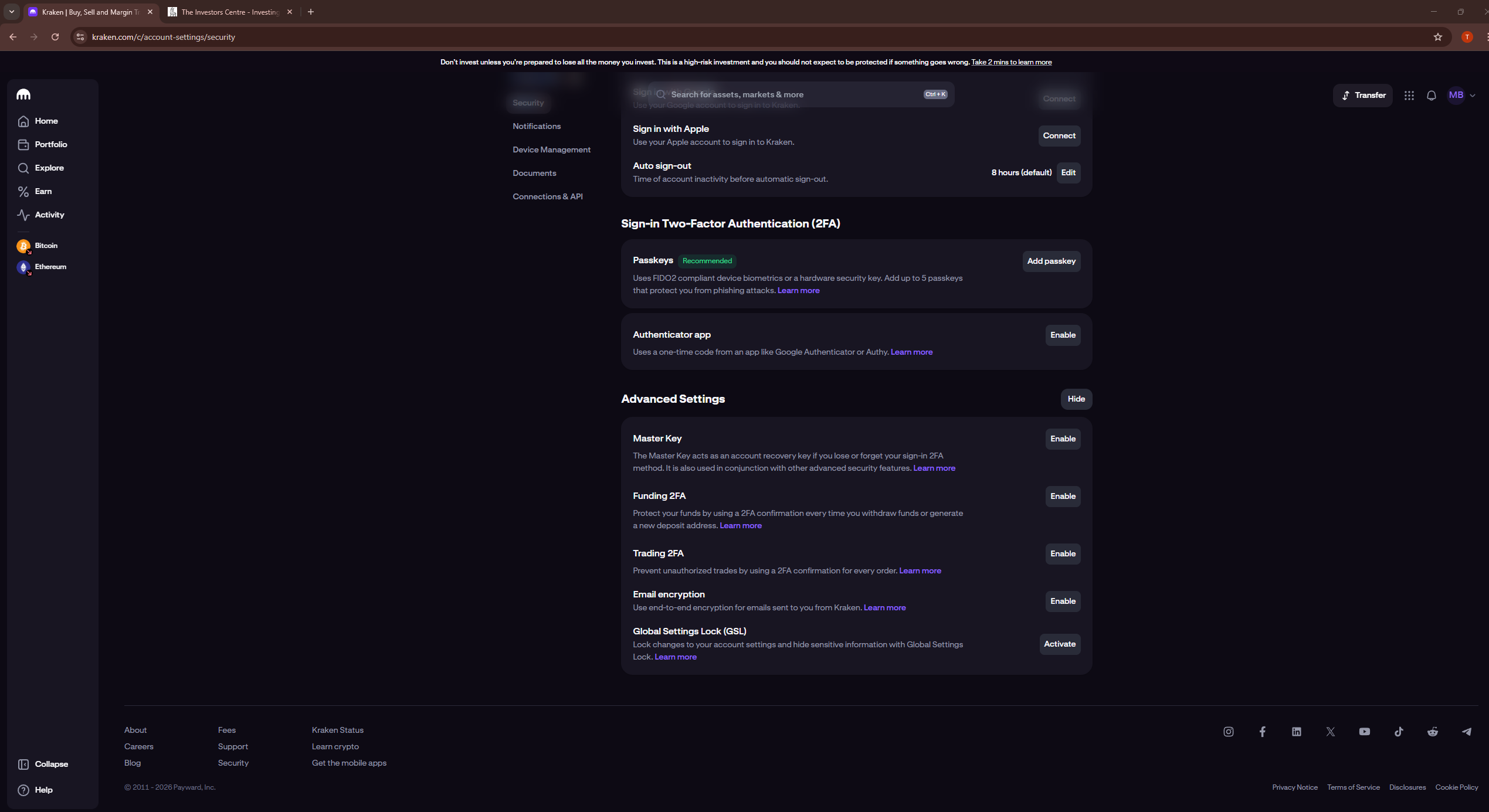
Kraken employs a layered security approach combining cold storage, account protection tools, and third-party certifications. The platform allocates significant operational budget to cybersecurity and maintains a dedicated Security Labs team that proactively identifies vulnerabilities across the industry.
How Does Kraken Store Cryptocurrency?
According to Kraken, 95% or more of client crypto is held in offline cold storage. These air-gapped wallets are geographically distributed across secure facilities with 24/7 armed surveillance, alarm systems, and video monitoring. Only a small percentage remains in hot wallets to facilitate withdrawals.
What Account Protection Tools Are Available?
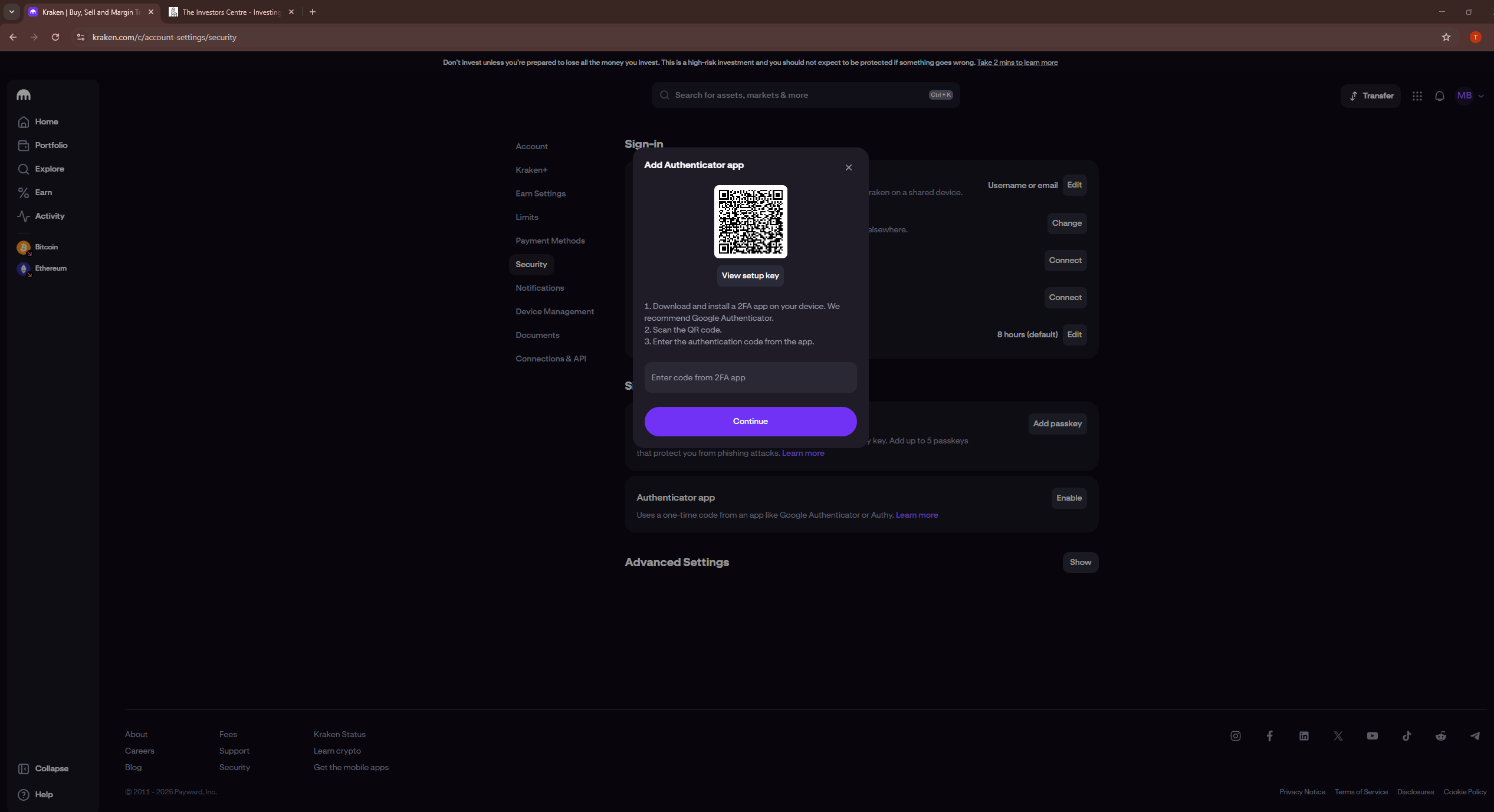
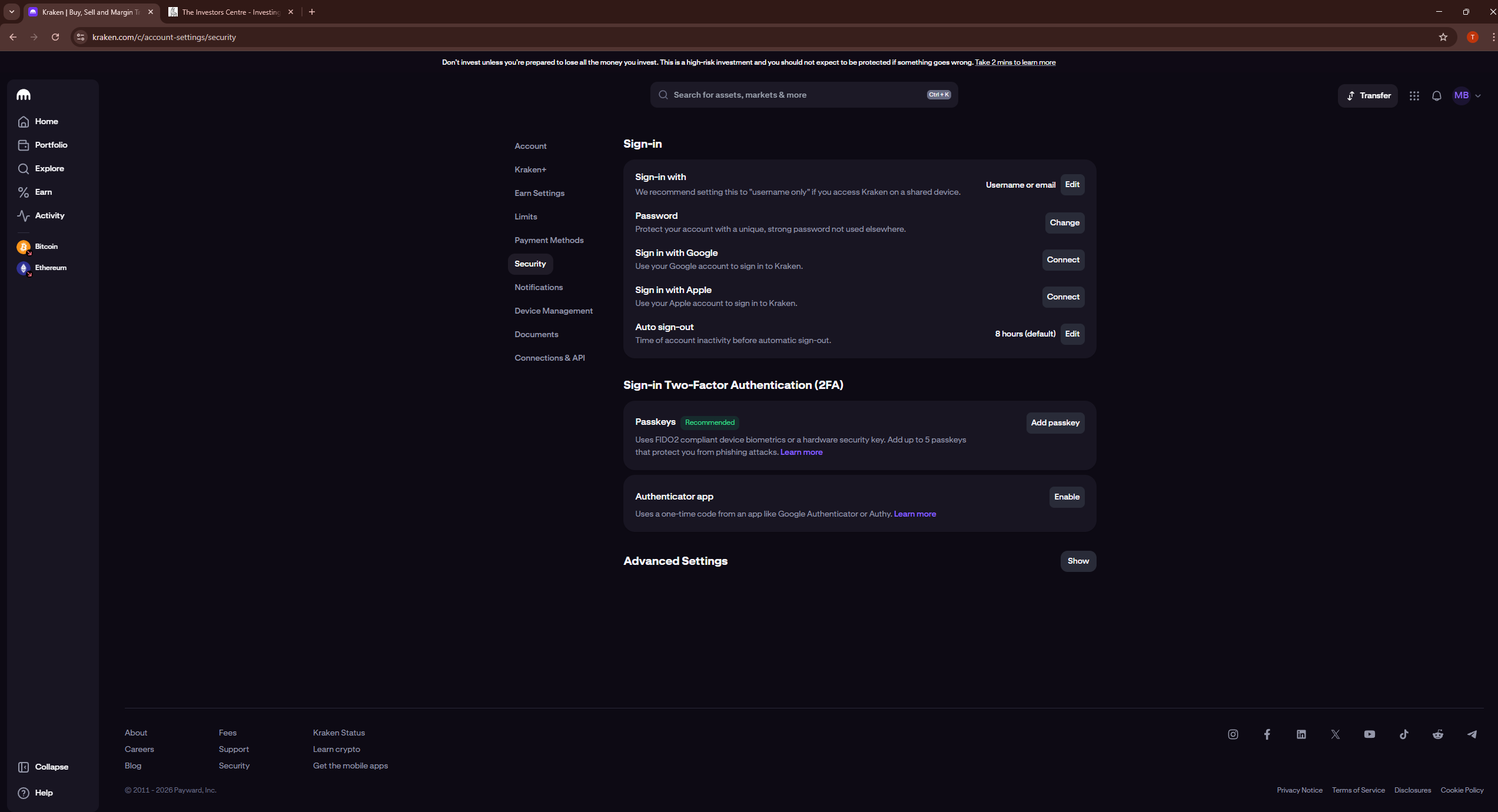
Kraken offers two-factor authentication via authenticator apps or FIDO2 hardware keys, plus phishing-resistant passkeys. The Global Settings Lock (GSL) prevents changes to critical account settings, while withdrawal whitelists ensure funds can only be sent to pre-approved addresses. PGP-signed emails help verify legitimate communications.
What Security Certifications Does Kraken Hold?
Kraken maintains ISO/IEC 27001:2022 certification—the international standard for information security management—and has completed a SOC 2 Type 1 examination. In 2024, Kraken co-founded the Blockchain Security Standards Council alongside Coinbase and Anchorage Digital to establish voluntary industry-wide security standards.
What Is Proof of Reserves and Does Kraken Offer It?
Proof of reserves (PoR) is a cryptographic audit allowing users to verify an exchange holds sufficient assets to cover all customer balances. Kraken pioneered PoR in 2014 and now publishes quarterly audits conducted by The Network Firm. The September 2025 report showed a 114.9% Bitcoin reserve ratio—meaning Kraken held nearly 15% more BTC than owed to customers.
Has Kraken Ever Been Hacked?
No customer funds have ever been lost to a security breach at Kraken. This track record spans 13+ years, during which major competitors like Binance, Bitfinex, and Mt. Gox suffered significant losses. Kraken's security-first architecture has proven resilient through multiple industry-wide crises.
What Happened in the June 2024 Security Incident?
In June 2024, a vulnerability in Kraken's funding system was exploited to withdraw approximately $3 million. Critically, this came from Kraken's corporate treasury—not customer funds. According to Kraken's Chief Security Officer, the bug was patched within 47 minutes and the case was referred to law enforcement. The individuals involved attempted extortion rather than responsible disclosure.
How Does Kraken's Track Record Compare to Other Exchanges?
Track record matters significantly when choosing where to store crypto. Exchanges that survive long-term typically do so because they prioritise security over rapid growth. Kraken's 13-year history without customer fund losses is exceptional in an industry plagued by hacks and collapses.
Which Major Exchanges Have Suffered Hacks?
Binance lost $40 million in customer Bitcoin in 2019, followed by a $570 million BNB Chain exploit in 2022. Bitfinex suffered a $72 million breach in 2016. Mt. Gox collapsed entirely in 2014 after losing 850,000 BTC. These incidents underscore why security infrastructure should weigh heavily in exchange selection—particularly when comparing low-fee crypto exchanges.
How Did Kraken Perform During the FTX Collapse?
While FTX imploded in November 2022, Kraken published proof of reserves audits and processed withdrawals normally. The platform faced no liquidity issues during the contagion that saw multiple exchanges freeze customer funds. This resilience during crisis reinforced Kraken's reputation as a secure option.
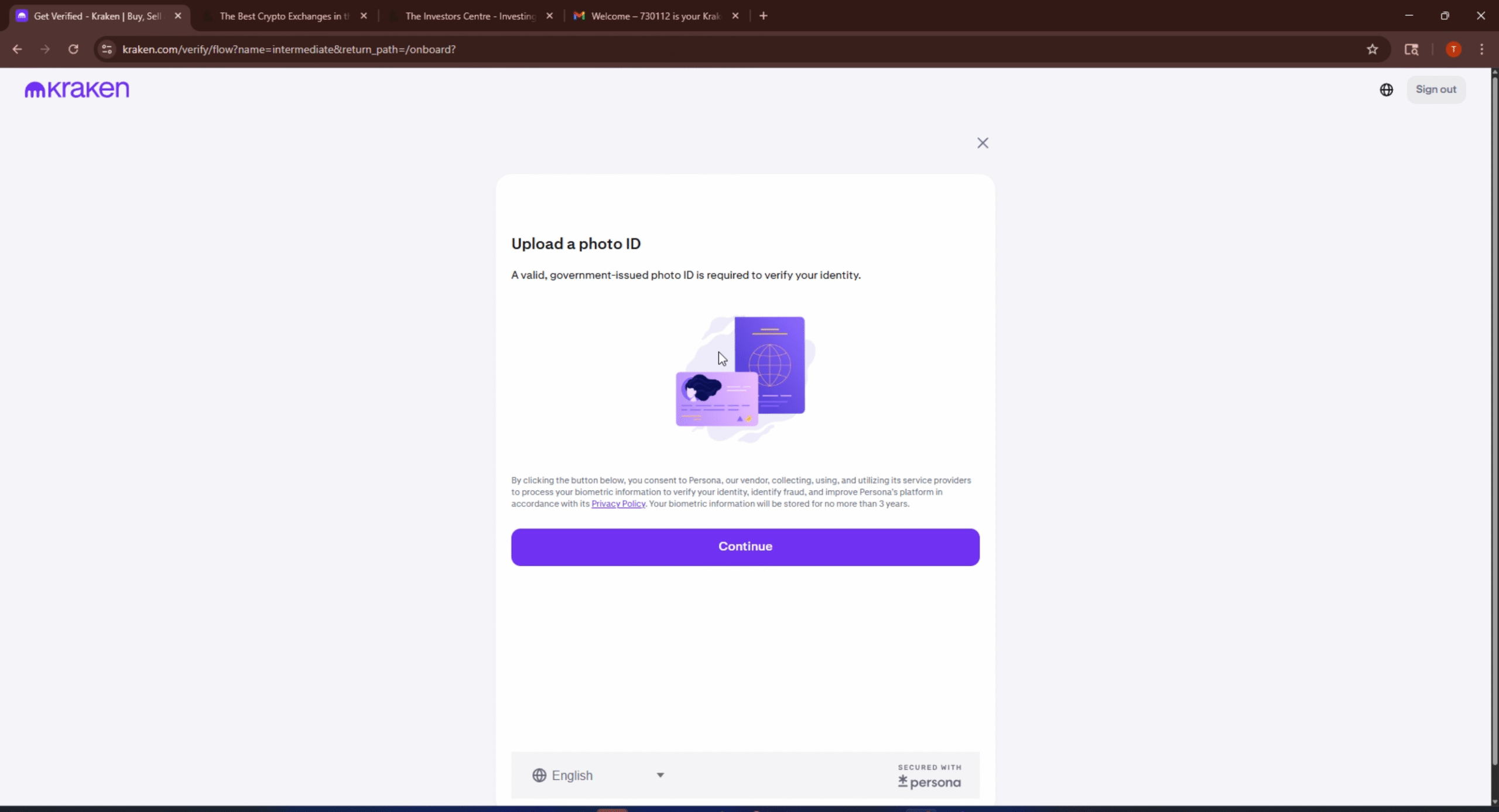
Why Was Kraken Fined $8 Million in 2024?
In December 2024, ASIC ordered Bit Trade to pay $8 million for breaching design and distribution obligations. According to ASIC media release 24-274MR, the company offered a margin extension product to over 1,100 customers without a required target market determination (TMD), resulting in customer losses exceeding US$5 million.
What Does This Ruling Mean for Traders?
The ruling demonstrates regulatory accountability—Kraken's operator paid the fine and adjusted its practices. Justice Nicholas noted the violations were "serious and motivated by a desire to maximise revenue," but the product in question has been modified. For traders, this signals that compliance gaps existed on leveraged products, though standard spot trading was unaffected.
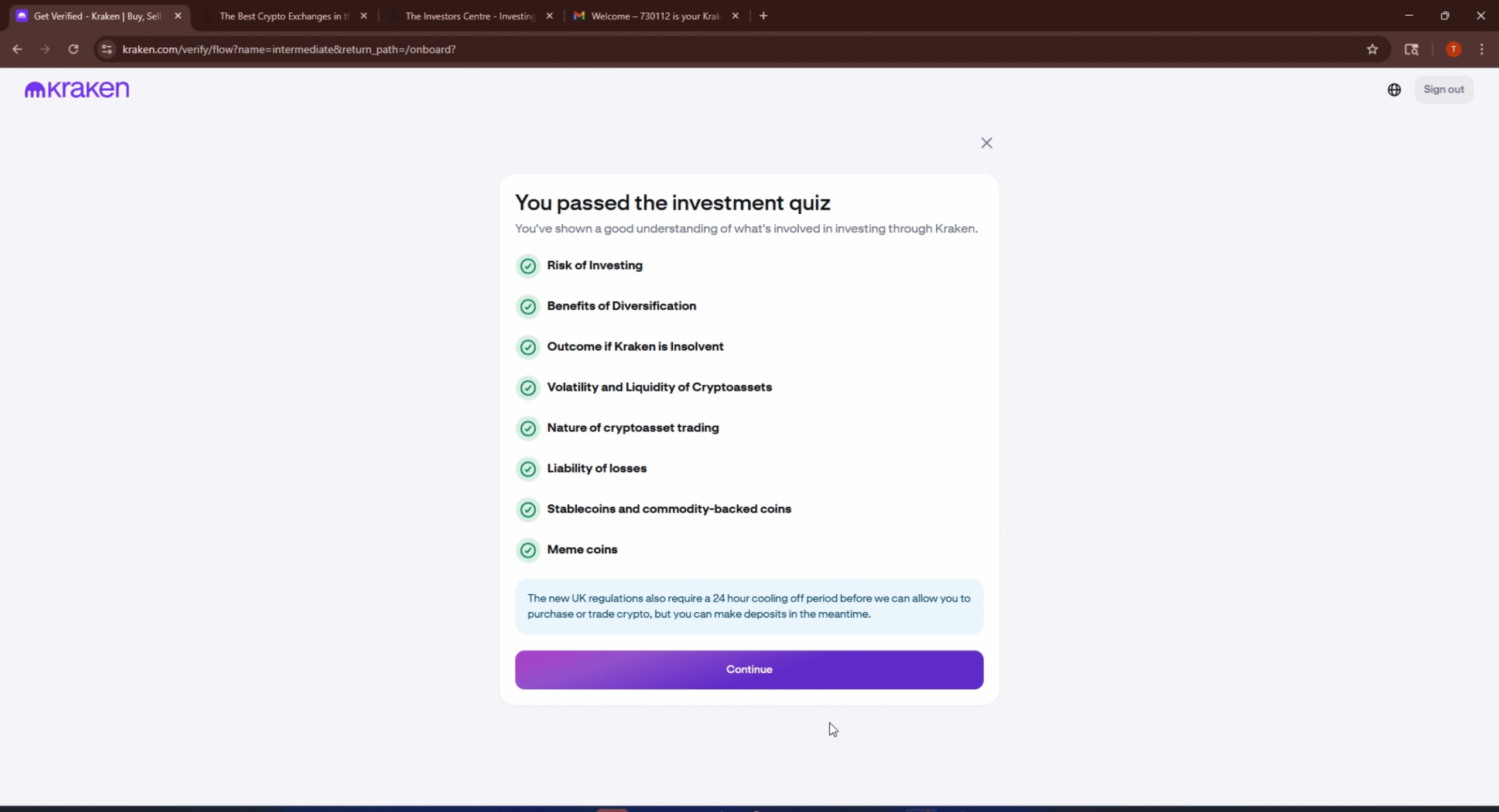
What Are the Risks of Using Kraken?
Like all centralised exchanges, Kraken carries custodial risk—when you store crypto on the platform, you don't control the private keys. The industry phrase "not your keys, not your crypto" applies here. Additionally, cryptocurrency holdings receive no government deposit protection.
Does Kraken Offer Insurance on Crypto Holdings?
Kraken maintains insurance through Lloyd's of London covering assets in hot wallet storage (approximately 5% of holdings). However, crypto holdings are not protected by schemes like the Financial Claims Scheme (FCS). For long-term holdings, Kraken recommends withdrawing to self-custody wallets where you control the keys directly.
What Features Are Unavailable for Some Users?
Certain Kraken features carry geographic restrictions. Kraken Pay and Opt-In Rewards are unavailable in some regions. Derivatives trading is limited to wholesale clients meeting specific criteria. Additionally, privacy-focused cryptocurrencies including Dash (DASH), Monero (XMR), and Zcash (ZEC) cannot be traded due to regulatory requirements.
Should You Use Self-Custody Instead?
Self-custody eliminates exchange counterparty risk entirely. Hardware wallets from Ledger or Trezor let you hold private keys offline, immune to exchange hacks or insolvency. The trade-off is personal responsibility—lose your recovery phrase and funds are gone permanently. Many traders use exchanges for active trading while moving longer-term holdings to self-custody.
How Does Kraken Compare to Coinbase for Security?
Both Kraken and Coinbase rank among the most secure mainstream exchanges, with cold storage practices and regulatory compliance in major jurisdictions. However, key differences exist for security-conscious traders evaluating which platform to use. For a deeper comparison, see our full Coinbase review.
| Feature | Kraken | Coinbase |
|---|---|---|
| Years Operating | 13+ | 12+ |
| Customer Fund Losses | None | None |
| Proof of Reserves | Quarterly (Merkle verification) | No public PoR |
| Cold Storage | 95%+ | Majority (unspecified) |
| ISO 27001 Certified | Yes | Yes |
| User Self-Verification | Yes | No |
Kraken's edge lies in proof of reserves transparency. Users can independently verify their balance inclusion using Merkle tree cryptography—a feature Coinbase doesn't offer. This means you're taking Coinbase's word on asset backing, whereas Kraken provides cryptographic evidence.
How Can You Maximise Your Security on Kraken?
Platform security is only half the equation—your own practices matter equally. Kraken provides robust tools, but account compromises typically result from phishing, weak passwords, or social engineering rather than platform breaches. Follow this checklist from day one:
- Enable 2FA immediately using an authenticator app (not SMS, which is vulnerable to SIM swapping)
- Set up passkeys for phishing-resistant login protection
- Activate Global Settings Lock after completing initial account setup
- Create a withdrawal whitelist containing only your personal wallet addresses
- Enable email confirmations for all withdrawal requests
- Verify PGP signatures on emails claiming to be from Kraken
- Check your proof of reserves inclusion after each quarterly audit
- Consider moving long-term holdings to a hardware wallet for self-custody
Note: These steps significantly reduce your attack surface. Most account compromises occur through user-side vulnerabilities rather than platform security failures—taking personal responsibility is essential.
Final Thoughts
Kraken stands as one of the safest centralised exchanges available in 2026. The combination of 13+ years without customer fund losses, quarterly proof of reserves with user verification, ISO/IEC 27001 certification, and multi-jurisdictional licensing creates a security profile few competitors match.
The December 2024 ASIC fine is worth noting, but it actually demonstrates regulatory accountability rather than systemic risk. The violation related to a specific margin product—not the core exchange infrastructure—and compliance adjustments have since been made.
That said, all centralised exchanges carry inherent custodial risk. If security is your priority, use Kraken's robust account protection tools, verify your proof of reserves inclusion, and consider self-custody for significant long-term holdings.
Bottom Line: For traders seeking a secure platform with deep liquidity and competitive fees, Kraken remains a strong choice. Read our comprehensive Kraken review for full details on fees, features, and trading experience—or explore the best crypto apps available to find the right fit for your needs.
FAQs
Don’t invest unless you’re prepared to lose all the money you invest. This is a high-risk investment and you should not expect to be protected if something goes wrong. Take 2 mins to learn more.